The Sultanate of Oman — a land where the Persian Gulf meets the boundless Indian Ocean, and a flawless modern state brushes against the soul of the Thousand and One Nights.
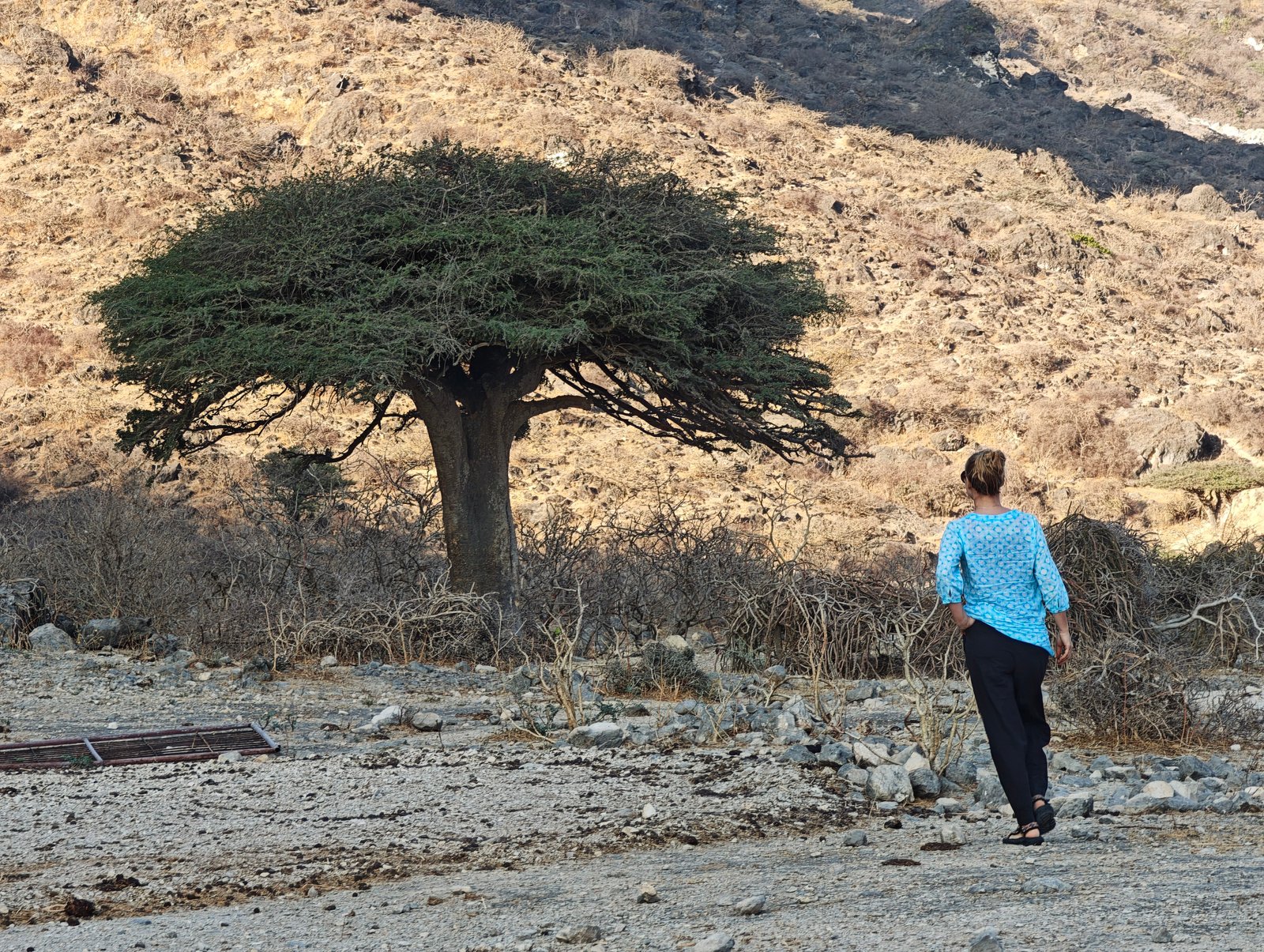
Dear family and friends — the Sultanate of Oman is a vast, enthralling country at the meeting point of the Persian Gulf and the boundless Indian Ocean. When, after fifteen exhausting hours of travel, we landed at Muscat's brand-new, ultra-modern airport, the country's capital, we were warmly greeted by the resinous scent of frankincense, a rare tree that thrives only in the most inhospitable conditions of the stony desert in the south.
An indescribably beautiful nuance of resinous essence pervaded the airport. Everywhere there was a gentle breath of the finest incense, amber, cardamom, spikenard, tenderly welcoming travellers. The jade-coloured resin is the dried blood and the jewel of this remarkable country. The enormous terminal smelled the way our parish church smells at the grandest celebrations. At first there was a note akin to fresh citrus, pine needles, and the mountain air after rain. Yet the freshness gave way to a warm, balsamic note, like soft wax, honey, and the smoke-cured fragrance of warm old church pews. And once that essence too had dissolved, only a silken, resinous trail remained in the air — warm, dry, and inexplicably beautiful.
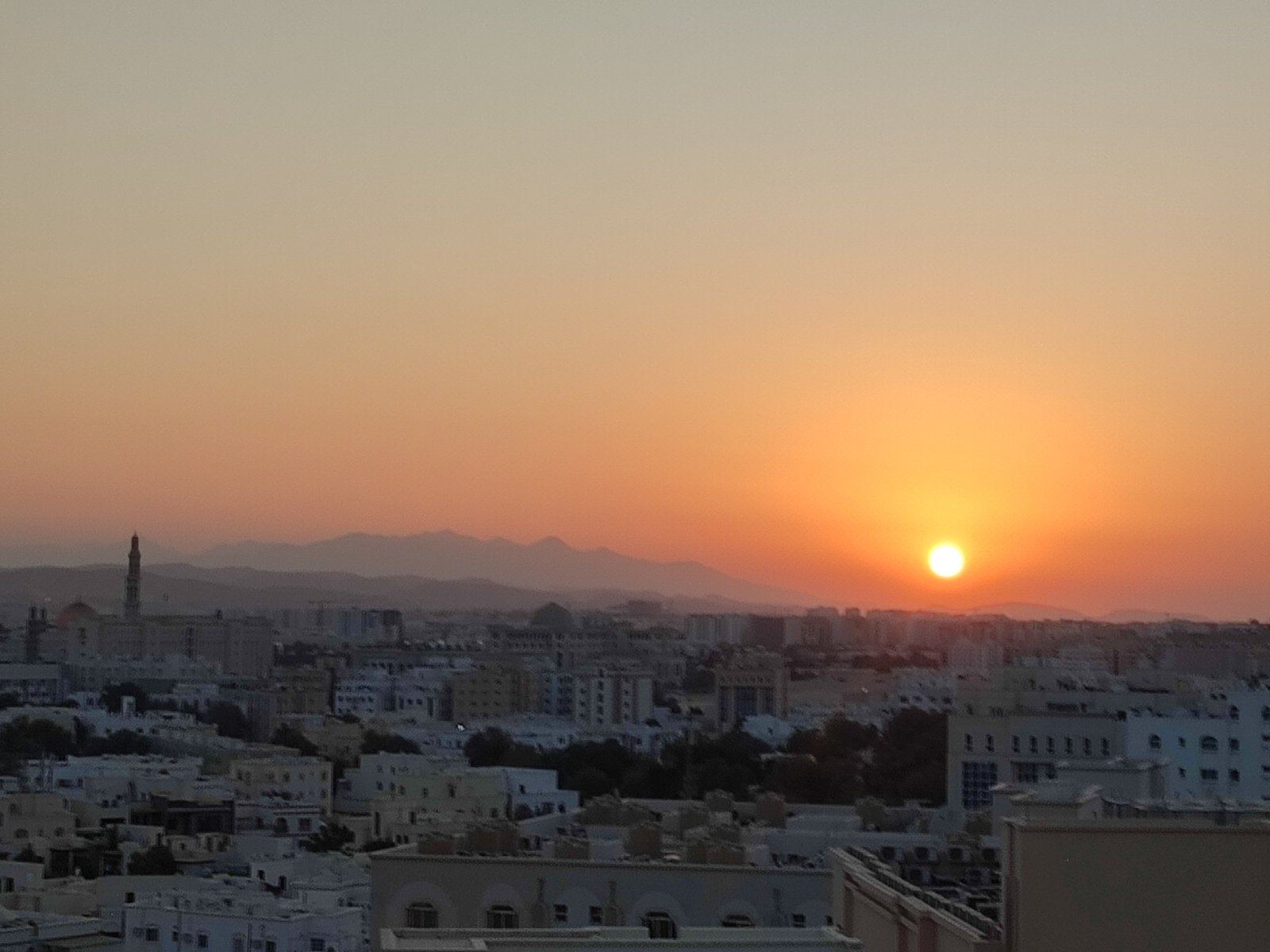
The airport was bright and cavernous, attesting that we had arrived in a wealthy, civilised, well-ordered, and powerful country — the complete opposite of everything I had experienced, learned, or heard about this corner of the world. The story of Oman and its people is at once fascinating and improbable. After a short rest we flew south to Salalah, the capital of the Dhofar region, which borders neighbouring Yemen. The city lies along the endless Indian Ocean, graced by broad, immaculately clean avenues and magnificent palaces built in an eclectic blend of African, Persian, and Indian influences. Salalah's architecture reflects a millennium of crossed cultures — Arab geometric patterns and Islamic calligraphy intertwine with East African elements inherited from the days when Oman ruled Zanzibar. At the same time, one can read on the doors and windows the marks of Indian craft and Persian decorative detail. The traditional houses are low and white-walled, with thick masonry and small windows, fitted to the desert heat and the monsoon rain, and adorned with characteristic carved wooden doors and shutters.
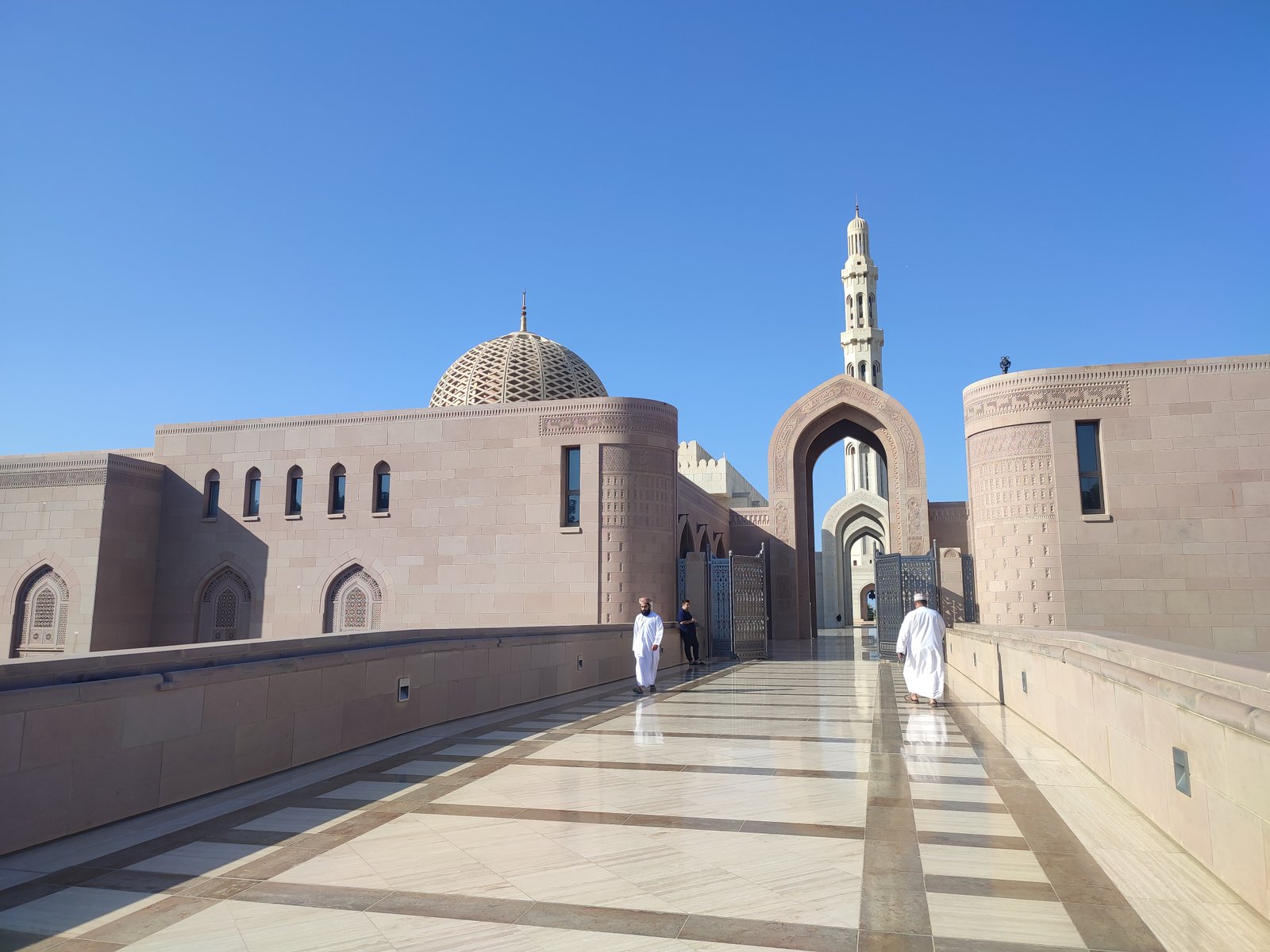
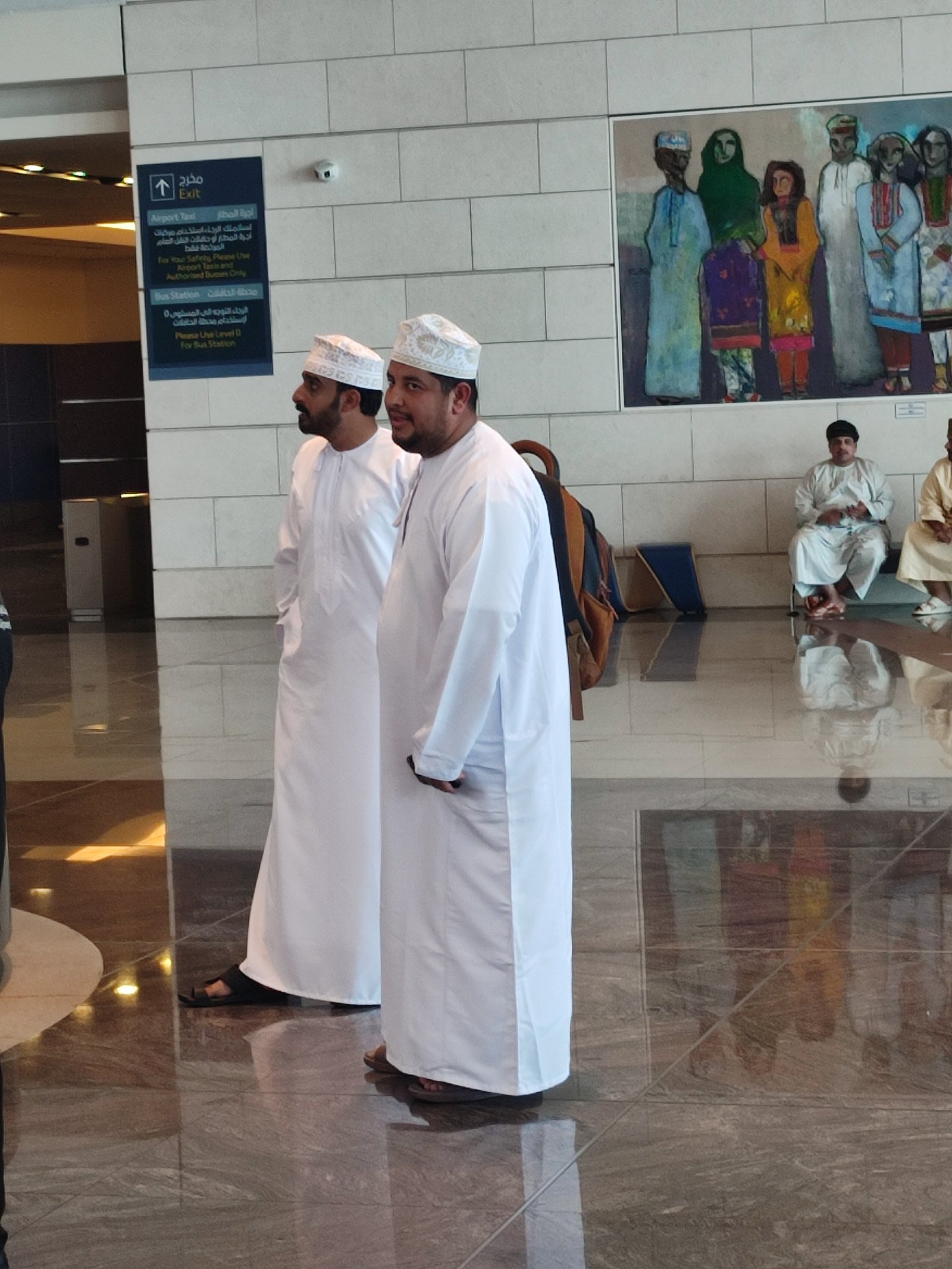
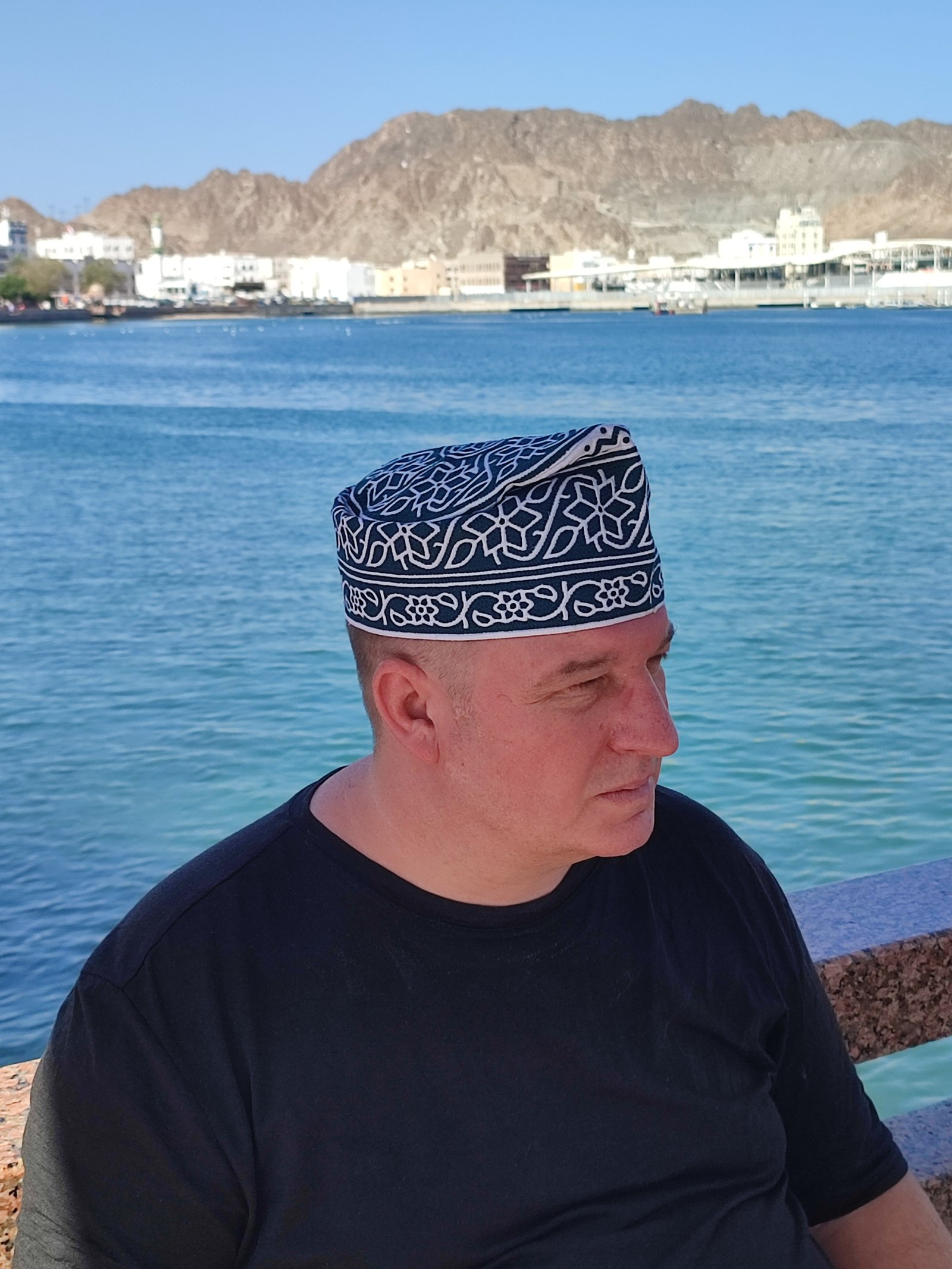
The faces and garments of the Omanis are cut from the same cloth. This nation of seafaring traders has for centuries absorbed the best of the wider world and reshaped it in its own image. The men here are the most striking and well-built of all the Arab peoples. For long centuries they have intermixed with Africans and with Persians. Their skin is dark, their features remarkably harmonious, their bearing slender and graceful. Their noses are not sharp, their lips beautifully shaped above a strong and healthy line of teeth. Their carriage is considered, architecturally accomplished, the harmony between garment and body impeccable. They wear the long white tunic — the dishdasha — cut so as to press the body into a reserved, almost ceremonial posture. The Omani man's strength and grace push him into an upright, resolute stance, and the vertical line atop his impeccably groomed head is crowned by the kumma, a beautiful cap of various colours and patterns that speaks to tribal lineage and rank.
When I first watched the Omanis in the terminal waiting for the flight to Salalah, they seemed to me like exotic beings from another world — as though they stood on special terms with reality itself. Never intrusive, always reserved, quiet, aristocratic, perhaps even a little lofty. Not in the slightest servile toward Westerners. And yet gracious and obliging when the situation called for it. They appear to be the absolute lords of their own country, a kind of noblesse that takes no part in ordinary earthly affairs — spirits hovering along that thin line which separates heaven from earth.
They appear to be the absolute lords of their own country — spirits hovering along that thin line which separates heaven from earth.Primož Zevnik · Salalah Airport, 2026
There are no words for their gliding walk, their gentle gestures, their restrained bearing. Because these are men who live in the land of frankincense, they care for their faces with intoxicating oils and daily groom their hair. They are immaculately clean and elegant in their strength and in the exuberant freedom of patriarchal rule. Their women, wrapped in black silken garments and veils, trail behind them like pale shadows to whom no one has access. Not even with a glance.
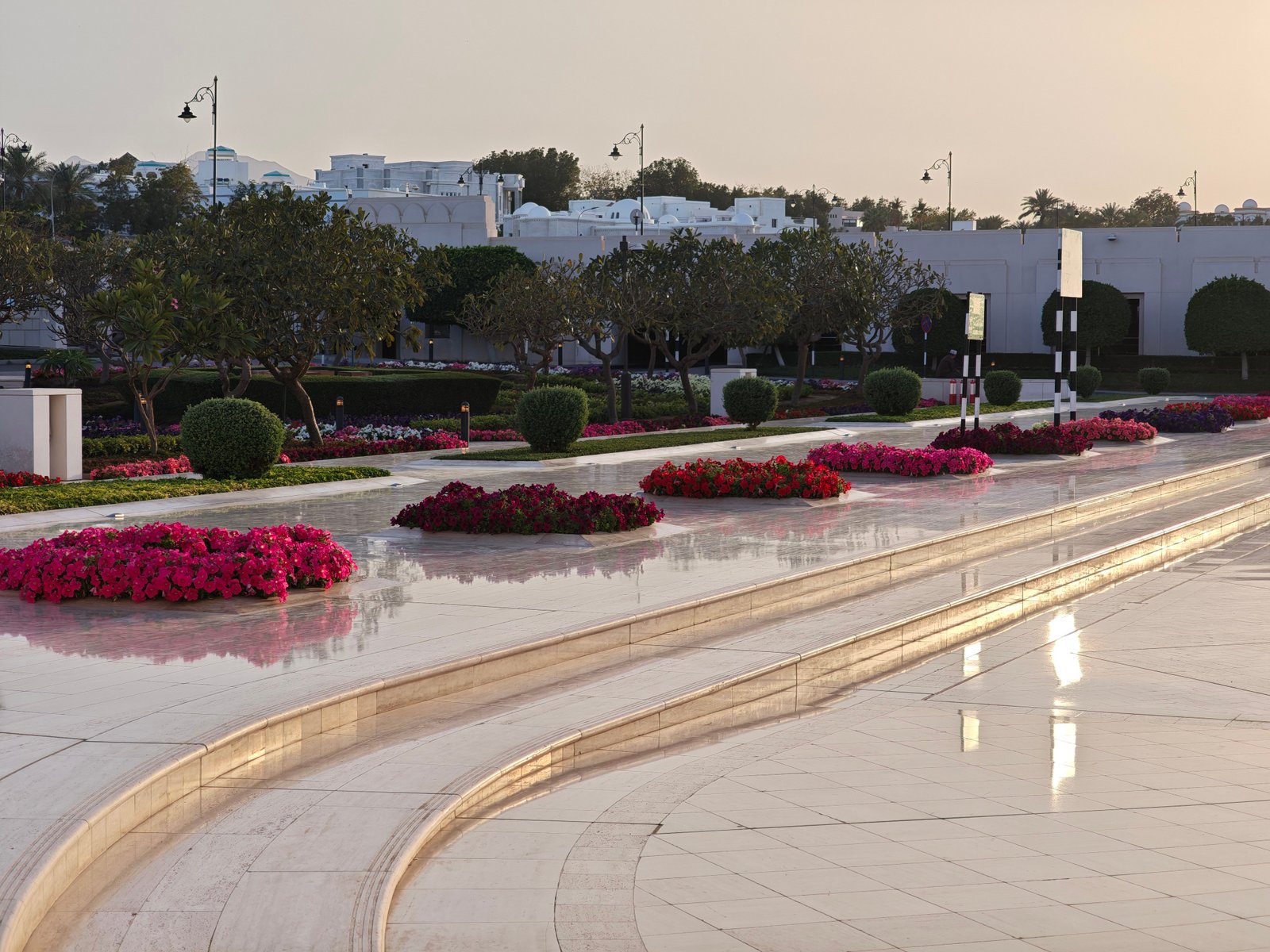
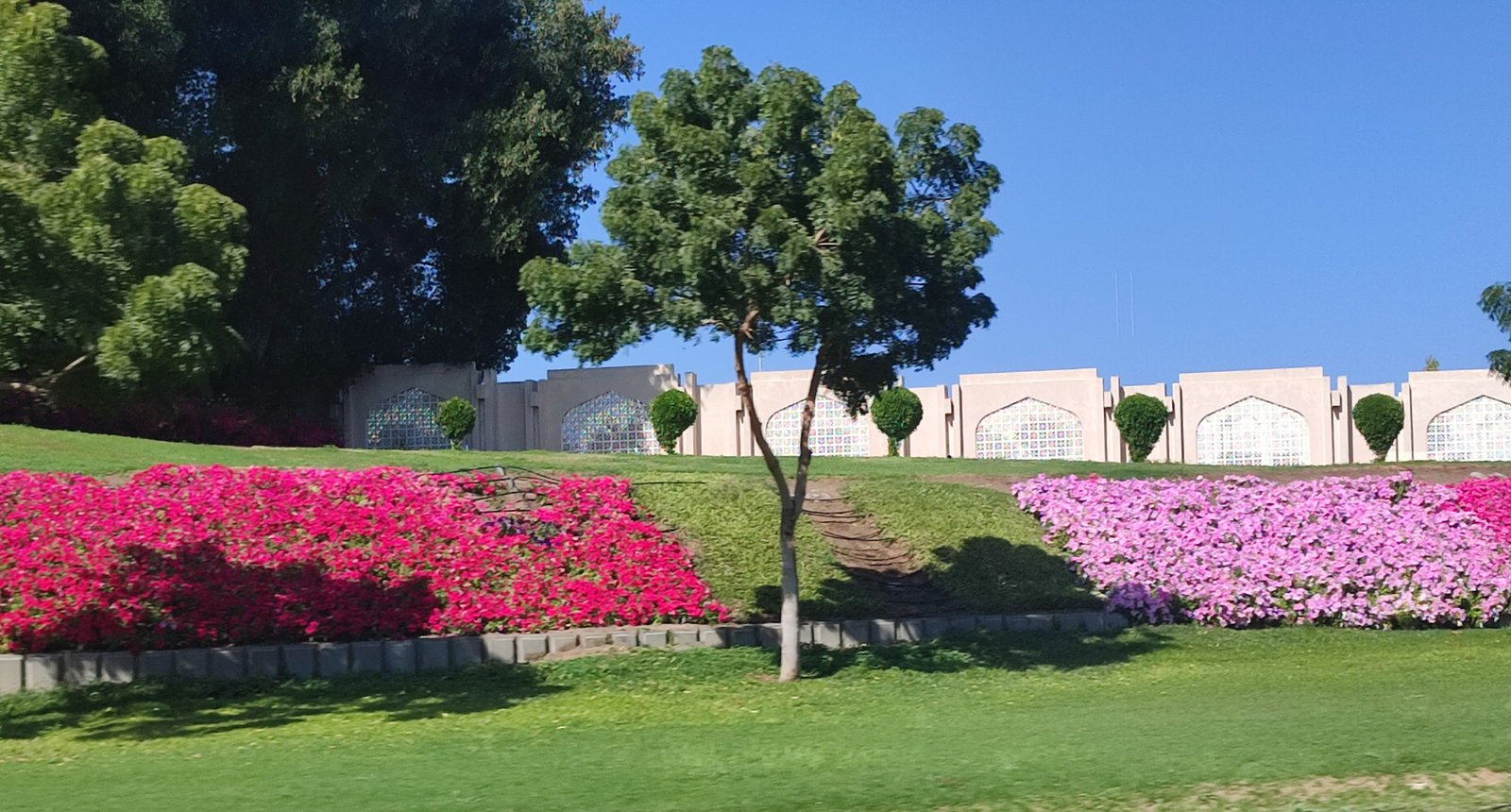
How flawlessly ordered everything is in Oman's cities… Three-lane highways knit this enormous country together — a country that is largely desert and roughly fifteen times the size of Slovenia. The cities are gleaming proof of Oman's immaculate civility and prosperity. At every highway entrance into the city, a vast army of gardeners tends magnificently arranged flora. Islands of blossom simply explode in extravagance and vivid colours. The lawns resemble fairy-tale gardens. It is as though, on every patch of green, they were setting the stage for the Vienna New Year's Concert. But it was not always so.
The Story of Sultan Qaboos
As late as 1970, Oman was one of the poorest, most backward, and most closed countries on earth. Its ruler, Sultan Said bin Taimur, was a tyrant who had forbidden his people nearly every form of worldly life — no one was permitted to wear sunglasses, to listen to radio broadcasts; the ordinary citizen was denied even the most basic right to education, and the sultan had even outlawed travel. In the entire country there stood three primary schools and a single hospital ward. There were no roads. People died of diseases the rest of the world had long since eradicated. Oman was a medieval land trapped inside the twentieth century, mired in tribal feuds and court intrigue.
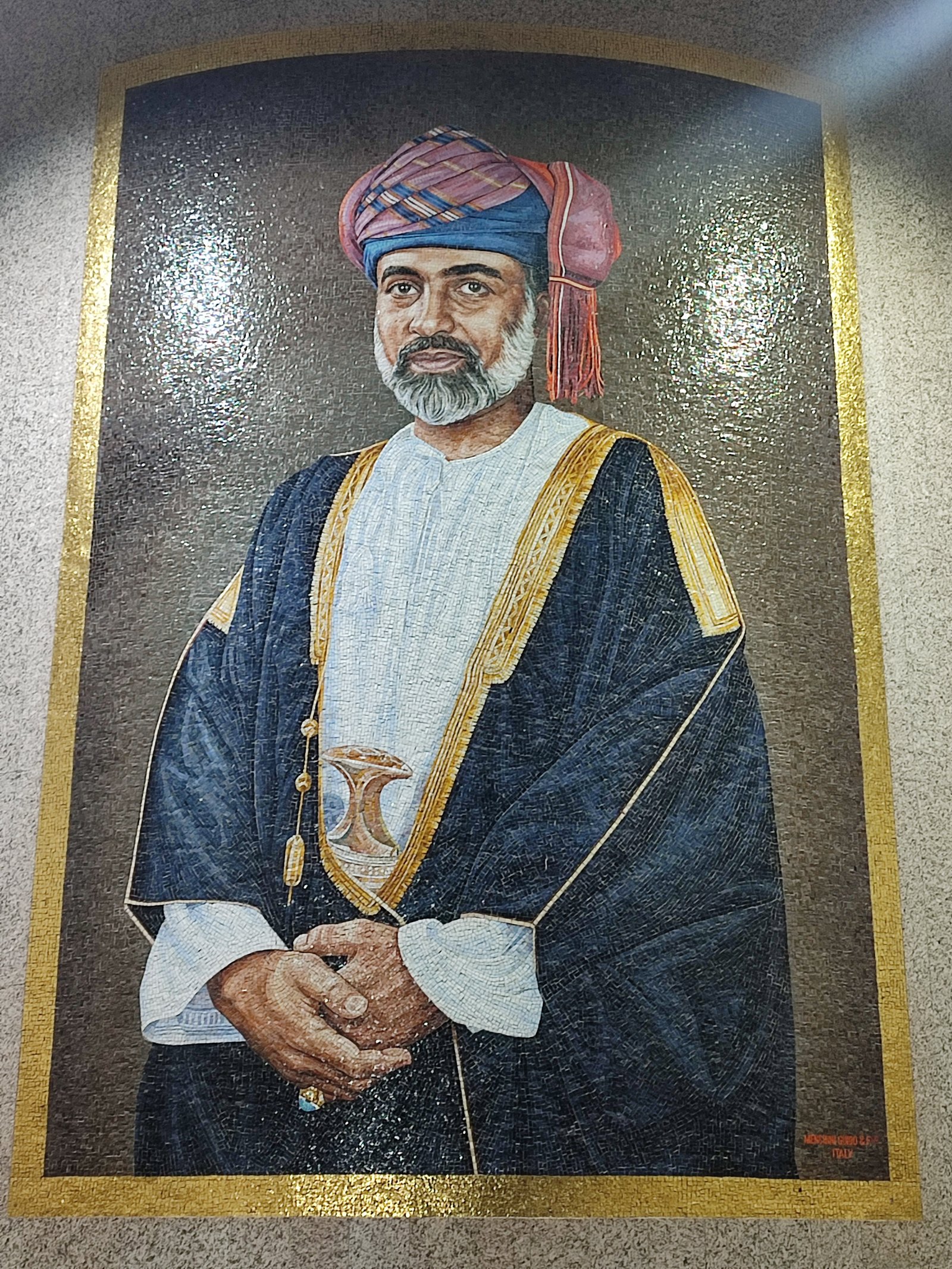
Then, like the Archangel Michael, his young heir Qaboos appeared. On 23 July 1970, the thirty-year-old prince — educated at British military academies, kept hidden from the world in a palace in Salalah — carried out a coup against his own father. And in a single day he sealed the fate of Oman. It became one of the most fascinating stories of our time. The new sultan immediately opened the borders, built schools and hospitals, cut roads through impassable mountains and deserts, and gave his people something they had never had: a luminous future. The transformation that followed has no parallel in modern history. In fifty years, a forgotten, destitute land without a single kilometre of paved road became a modern nation with flawless infrastructure, excellent schools, and the highest level of security anywhere in the world. Anyone who drives today along Oman's wide highways, past its gleaming mosques and opulent government palaces, can hardly imagine that two generations ago these same paths were crossed only by caravans of camels. Anyone who looks upon the indescribably sumptuous palaces, the latest fleets of cars, the broad boulevards, the modern hotels and beautiful residential quarters cannot even conceive that the previous generation of Omanis lived in huts of mud and palm fronds.
In fifty years, a forgotten, destitute land without a single kilometre of paved road became a modern nation with flawless infrastructure, excellent schools, and the highest level of security anywhere in the world.The Omani Renaissance · 1970–2020
But Qaboos built not only a glittering state; he built an identity the whole world now admires. In the years when Oman's Gulf neighbours — Dubai, Abu Dhabi, Doha — were reshaping themselves into gleaming storefronts of mindless, empty display, the sultan chose another path. He resolved that Oman should never lose its ancient soul. That its men would go on wearing the white dishdasha and the embroidered kumma; that frankincense would continue to scent its streets. He restored the old fortresses and the national heritage, and tore down nothing that was old. He upheld the Ibadi tradition of a moderate, tolerant, pragmatic faith. And so he created a country at once modern and deeply traditional — the only place on the Arabian Peninsula where those two antonyms seem even capable of coexisting. Historians call this fascinating fifty-year stretch the Omani Renaissance, a work now being carried forward by the new sultan, Qaboos's successor, who must continue the magnificent transformation of the land.
Whoever visits Oman for the first time is shaken, as I myself was shaken. You feel you have woken inside a sweet dream. The highways are wide as runways, flawlessly smooth, lined with orderly plantings of palms and flowering shrubs that an unseen and endless army of gardeners sustains in the heart of the desert. The roundabouts are crowned with sculptures of incense burners, models of old sailing ships, and colossal replicas of the khanjar — the national dagger that adorns even the state flag. Not a crumb of litter along the road. Not a crack in the asphalt. Not a damaged sign. Everything is new, clean, fragrant, and impeccably maintained. And this in a land where summer temperatures exceed fifty degrees Celsius, where sand and wind tirelessly grind at everything man has built.
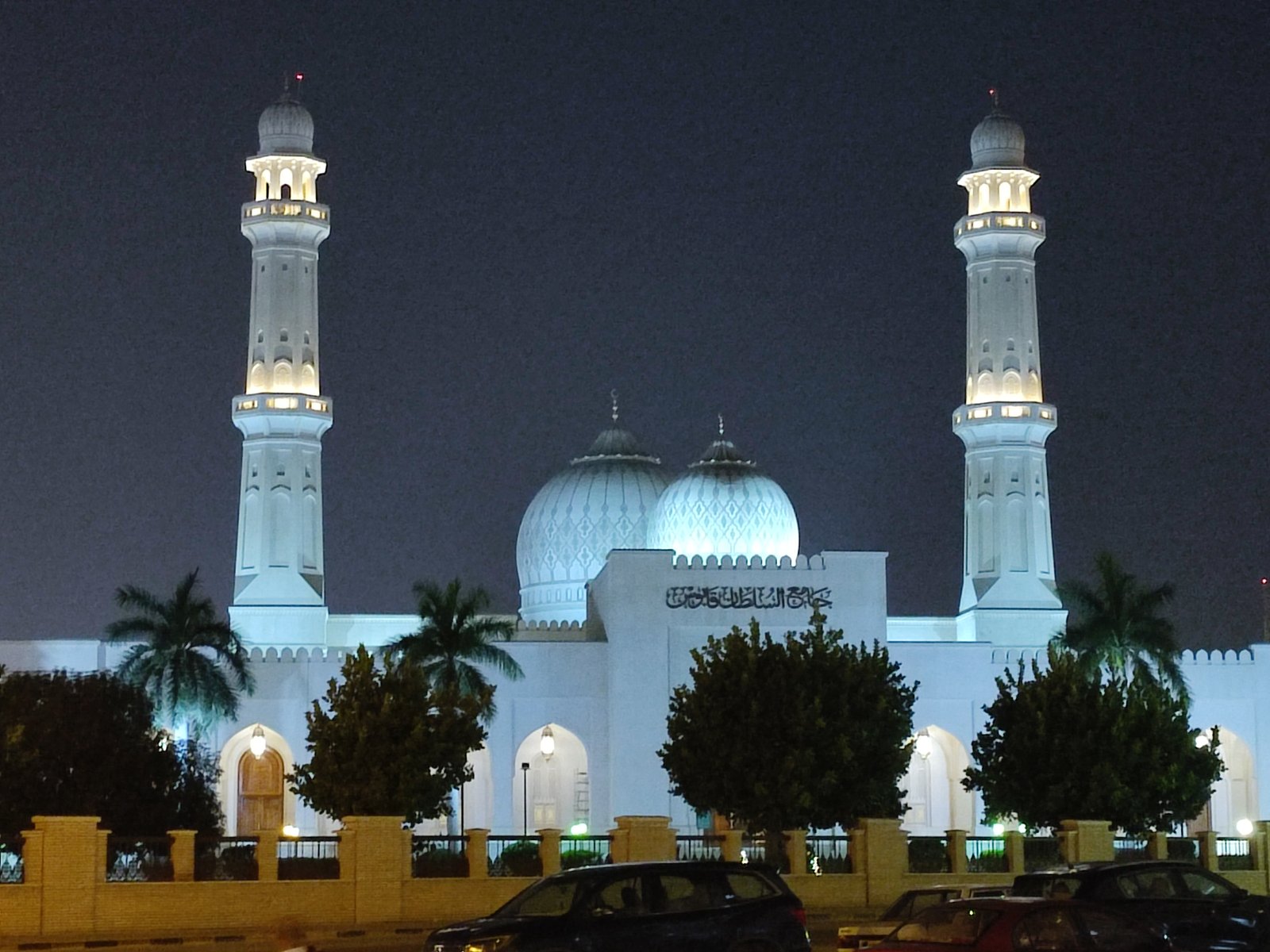
The mosques are magnificent. Not only the Sultan's Grand Mosque in Muscat, itself an architectural marvel, but even the ordinary suburban prayer halls — any of which, in a European country, might be declared a cultural monument. The government palaces are opulent but never vulgar — always within the bounds of that restrained Omani taste which does not allow splendour to become empty clamour. The hospitals are outfitted with the latest equipment. The schools are spacious and bright. The universities — Sultan Qaboos University above all — rival the finest in the West. And all of this we see in a country that, a scant fifty years ago, knew only the camel track, the oil lamp, and the clay pot.
Omanis today are considered the most educated nation in the Gulf. The young speak fluent English, study abroad, return home, and build their country. And still they retain their love for tradition — for their pastoral, mercantile, and desert identity, something the modern Westerner no longer knows.

The Silent Builders of an Empire
The foreigners who live in Oman — Indians, Pakistanis, Nepalis, Burmese, Filipinos — do most of the physical labour, and they speak of Omanis with respect, almost admiration, because the Omanis pay them better than the surrounding Gulf states do. They have been enormously fortunate to escape their own broken and a-thousand-times-overpopulated countries. They are everywhere. In department stores they bag women's purchases, they clean the shops, rent out boats and cars, lay and pour the endless kilometres of highway, raise the grand edifices and the vast shopping centres, run local businesses, staff reception desks and counters, cut hair, repair cars, supervise operations. They form an immense parallel society that labours, grateful and diligent, so that the country's infrastructure might run like a finely oiled Swiss watch. On our journey through this enormous country we climbed Jabal Akhdar, a peak nearly three thousand metres high, by way of a newly built two-lane road laid by countless migrant workers. Nearly two million quiet, modest, grateful Asian workers — who never sleep — keep the Omani Sultanate flawlessly civilised. They are a wholly loyal workforce upon which the country's strength and wealth rest.
And yet, amid all this gleaming progress, these spotless roads and sumptuous mosques, there is a shadow I must not pass over in silence. A third of the hands that build Oman are foreign. Indians, Pakistanis, Bangladeshis, Filipinos — the silent builders of an empire that is not theirs and never will be. At five in the morning an army of slight, industrious Bangladeshis is already sweeping the pavements in front of the opera house. At midnight Indians are still clearing the last guests’ tables in the restaurants. At three in the morning, Burmese and Nepalis are delivering goods to countless shops. They drive taxis, stand behind counters, dig canals, raise villas. Without them, Oman would come to a complete, irreversible halt within twenty-four hours.
The Omanis treat them better than the surrounding Gulf states do. Here there is none of that brutal class contempt with which poor Asians are humiliated in Dubai or in Doha. An Omani taxi driver told me his employer was respectful, had never taken his passport, greeted him by name, and paid him on time. And this is no empty phrase — the Ibadi culture of restraint and honour works its way even down the social ladder.
When I watched, in Muscat, the workers in blue coveralls sweeping the streets at six in the morning in a district where a single villa costs more than all their combined lifetimes of earnings, I felt that quiet unease every traveller comes to know. Oman is not Dubai, nor Qatar, nor Saudi Arabia. And yet, despite everything, it pays a price for its progress. Above all, that price is paid by those who dare not even ask what it is. They are grateful to be in a civilised country, and to be able to send their hard-earned wages home to their many relatives in Asia.

Ibadism — The World's Moderate Faith
The Omani respects every human being, and he does so out of Ibadism, a distinct branch of Islam practised here by the majority. Ibadism is neither Sunni nor Shia. It is older than both, more moderate than both, more pragmatic than both. Omanis know no religious police; no one is publicly punished, no one fanatically condemned, as is the case in Yemen or Saudi Arabia. An Ibadi imam is not an all-powerful spiritual ruler — he is a chosen first-among-equals whom the community may also remove if he fails to serve the people. Because of this spiritual foundation, Oman holds a rare advantage over the other Gulf states, and I felt it at every turn: the people are tolerant, they are not zealots, order keeps itself, no one has to enforce it. In Oman I left my rented Toyota unlocked with the keys in the ignition while my watch was charging, both windows rolled down to cool the car, and came back an hour later. No one had laid a hand on anything. Not out of fear of punishment, but because theft is, for an Omani, unthinkable — an insult to honour graver than any prison sentence. In Nizwa, shopkeepers leave their stores for half an hour while they pray at the nearby mosque. Everything they sell waits untouched for their return.
As we drove across this land and watched its people, a question kept pressing on us. How is it possible for a single generation to leap from the Middle Ages into the twenty-first century as unqualified victor, without losing its soul along the way? The answer is Sultan Qaboos. But the character of the nation, too, is made for it. The Omanis have lived for thousands of years on the edge of the world — between desert and ocean, between Africa and Asia — and have learned that survival depends on trade and on honour. Both, the Omanis understand better than anyone else on earth.
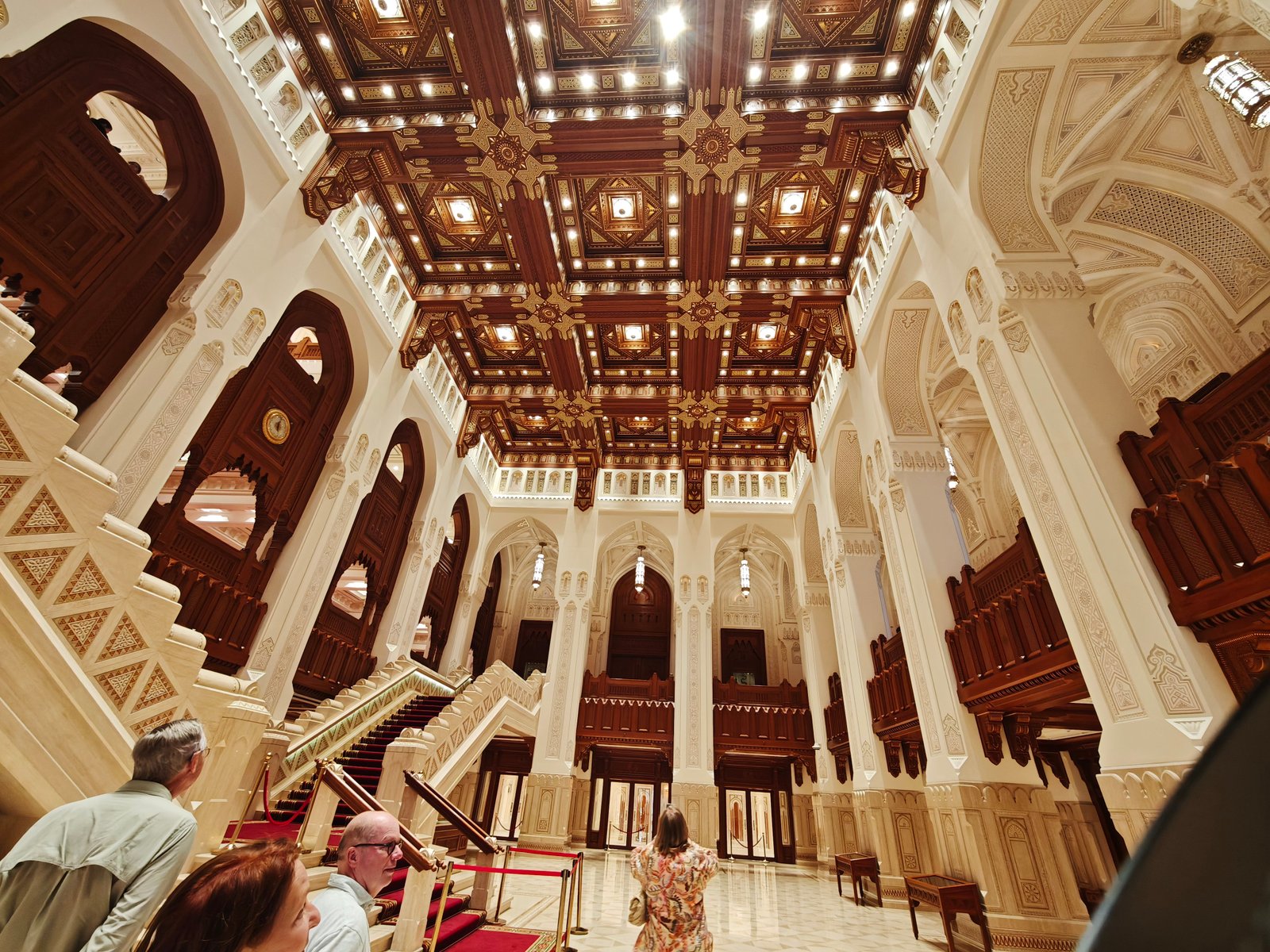
The sultan believed that music belongs neither to the West nor to the East, but to the individual human being — like his finest tunic and his brightly coloured headdress.Primož Zevnik · Royal Opera House, Muscat 2026
When Qaboos died in January 2020, after a long illness, the whole country mourned him sincerely. From one end of the land to the other, the people loved him without qualification and without pretense — as the father of a nation who had, out of nothing, fashioned everything that they are and everything that they have. They loved him as the sultan who had leapt across centuries and propelled his subjects into the modern age. In his place reigns now Sultan Haitham bin Tariq, who continues on the path of his predecessor. But Qaboos's spirit is everywhere. In every photograph, in every government office, in every shop, in every conversation with an Omani whose eyes fill with tears at the mention of the late sultan. And in that inexpressible order, cleanliness, and dignity which pervades this land from its first to its last square metre, so that the hairs on the back of my neck stood on end.
The Royal Opera House — A Tale from the Thousand and One Nights
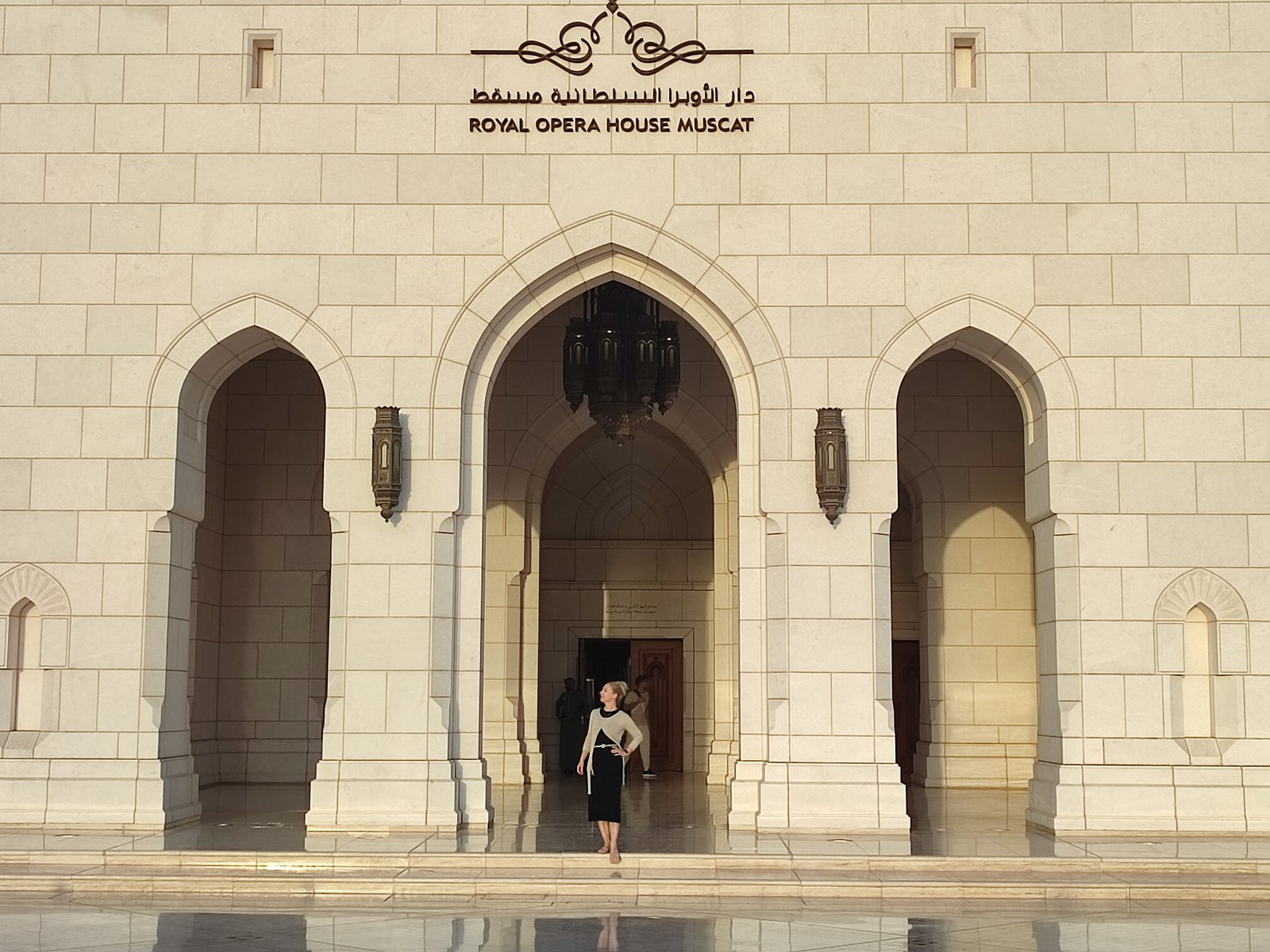
Yet the deepest proof of how Sultan Qaboos understood the human soul is not the opulent highways or the first-rate hospitals, but Western classical music and opera. The Royal Opera House in Muscat is a fairy-tale palace that took our breath away. In the heart of the Islamic world, in a country that fifty years ago did not possess a single musical instrument, the sultan raised a temple to classical music. He could have built a new mosque, or yet another palace. Instead he built an opera. And into it he poured hundreds of millions of euros. He believed that music makes a human being human. That a nation without music has no soul, even if it has highways and skyscrapers. That a Mozart adagio is as much a part of human civilisation as algebra, the alphabet, or astronomy.
Qaboos loved classical music with a passion that was deeply personal. He would now and then conduct the orchestra himself, sit in on rehearsals, wait outside classrooms, impatient to hear the first note. As early as 1985, when there was not a single person in all of Oman who could play a Western instrument, he ordered that musically gifted children be sought out across the land and sent abroad to study. He did not hire foreign musicians — no, he wanted an Omani orchestra. The children were taught by pedagogues he invited to the country from around the world. But the music itself, from the first note to the last, had to be made by Omanis. Thus was born the Royal Oman Symphony Orchestra, unique in the Arab world. When they first performed in Berlin's Konzerthaus in 2007, the audience rose to its feet and broke into cries of bravo in a standing ovation. The Germans were moved to tears at the sound of an orchestra from a country that, two generations earlier, had known only the sighing of camels.
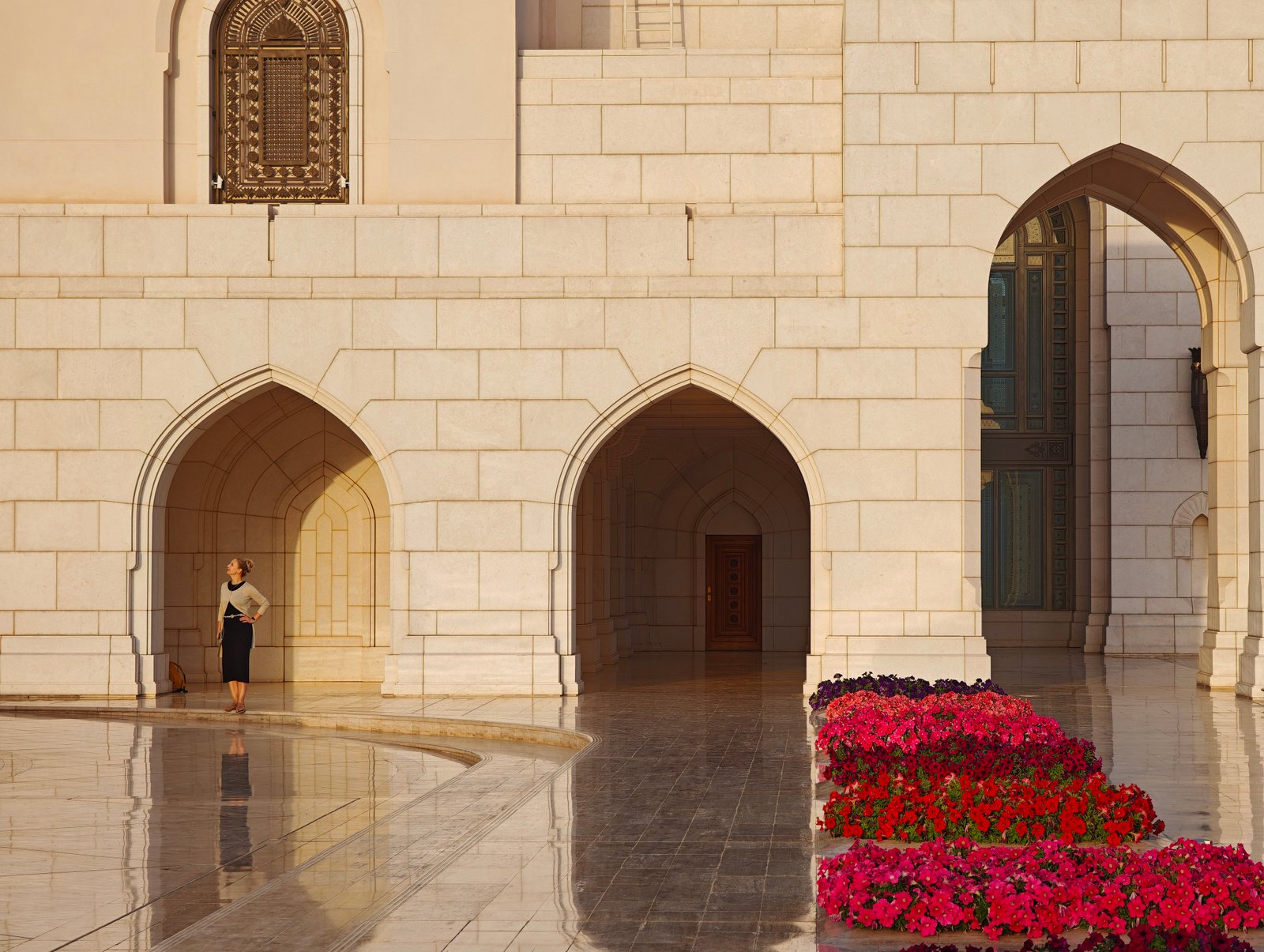
The opera house took ten years to build. The outer shell is of Omani rose-coloured desert stone and limestone, which in the morning light glows like white crystal. Inside, a world opens that one does not expect in this corner of the planet. The ceilings were hand-carved from Burmese teak and overlaid with gold leaf. The floors were laid in Italian marble. Austrian crystal chandeliers hang from the ceilings. Every detail, every arabesque, every geometric pattern, every line is the work of Omani artisans, who took foreign materials and shaped them into something wholly their own. The great hall seats eleven hundred, and at the push of a button it transforms from an opera theatre into a concert hall. A five-hundred-tonne orchestral shell glides along its rails. The organ holds more than four thousand pipes. German firms designed the acoustics; the English built the stage; the Japanese provided the sound equipment. And yet the whole is unmistakably Omani — in that recognisably restrained opulence which does not cry out but whispers.
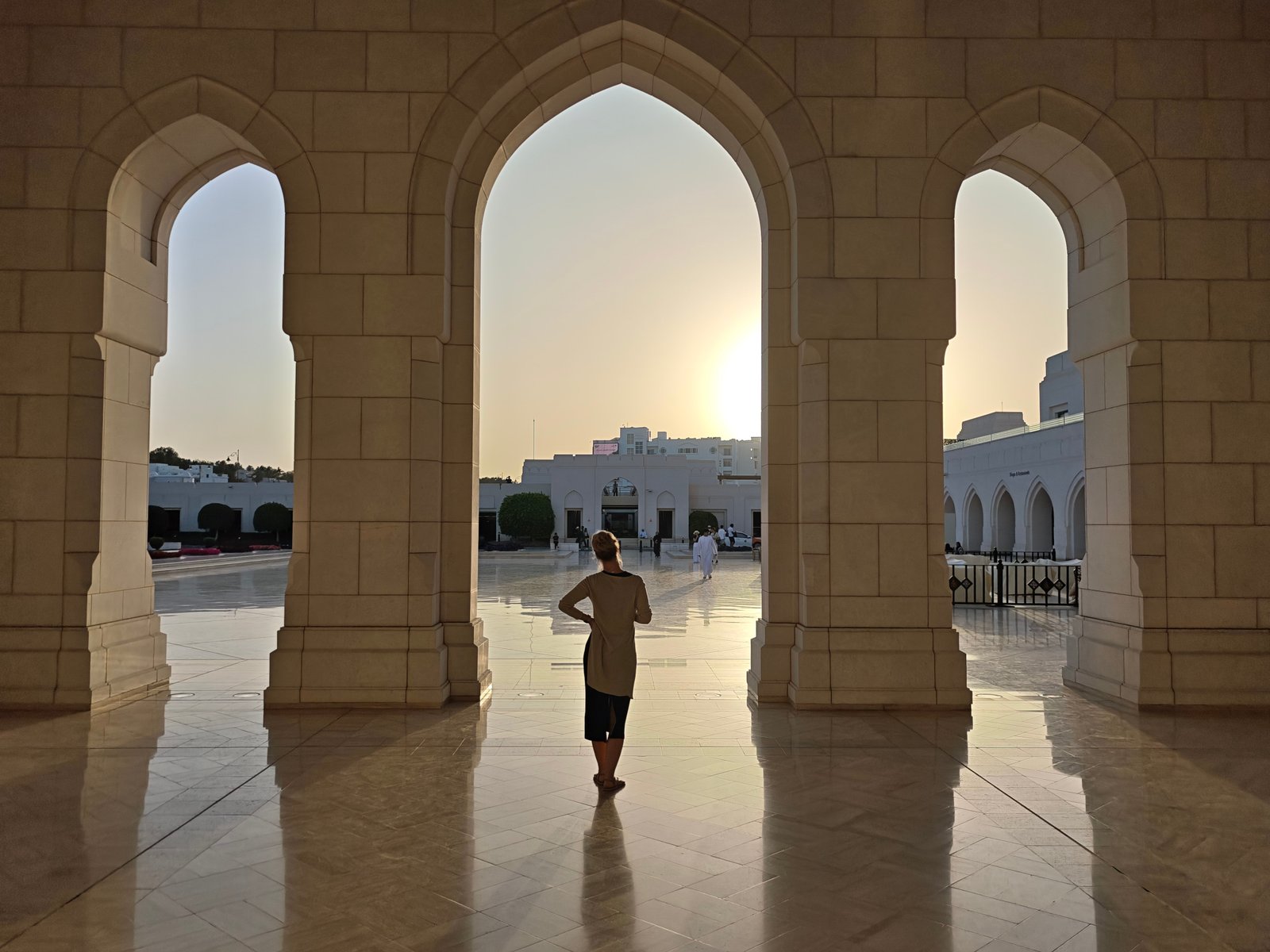
When Plácido Domingo conducted Puccini's Turandot at the opening in 2011, Muscat's Royal Opera House became the first opera house on the Arabian Peninsula. Since then, only the most famous and established Western artists have stood on that stage: Andrea Bocelli, Renée Fleming, Yo-Yo Ma, the London Philharmonic, Wynton Marsalis, American Ballet Theatre. Domingo returned three times and declared the Royal Opera a cultural jewel. But Qaboos did not want stars alone. The opera takes broad musical education seriously — every Monday they welcome schoolchildren. In the 2014/15 season, twenty-four hundred children between the ages of ten and twelve attended an interactive performance of Mozart's Magic Flute. In a country where, half a century ago, there was not a single school, children today listen to Mozart in one of the most beautiful opera halls in the world.
Standing before that building, watching Omanis enter this temple of music with the same bearing with which they enter a mosque, I understood what Qaboos had truly accomplished. He demonstrated that music belongs neither to the West nor to the East, but to the individual human being.Primož Zevnik · Muscat, 2026
A Postcard from Oman

Oman is truly a fairy tale from the final pages of the Thousand and One Nights. In summer, the monsoon winds bring rain, water, and life to the southern deserts. The dry valleys turn into green pastures, water streams through countless wadis, Omanis travel on holiday in throngs, laughing at the rain, rowing little boats along the pools and slow river courses the water has filled. Everything becomes a light-green vision of paradise: turquoise basins, real raindrops, verdant meadows and slopes. The dry brown mountains turn green, and everything seethes and surges with new life. Every day, dozens of flights ferry overjoyed Omanis south into Dhofar, where they plunge like children into the water and revel in orgies of green, in magical valleys and waterfalls. They bathe in fresh water and their eyes are weaned from the brown-grey tones of the desert; along the slopes they have built hundreds of overlooks where families and friends gather, savouring fine food amid an endless dance of green.
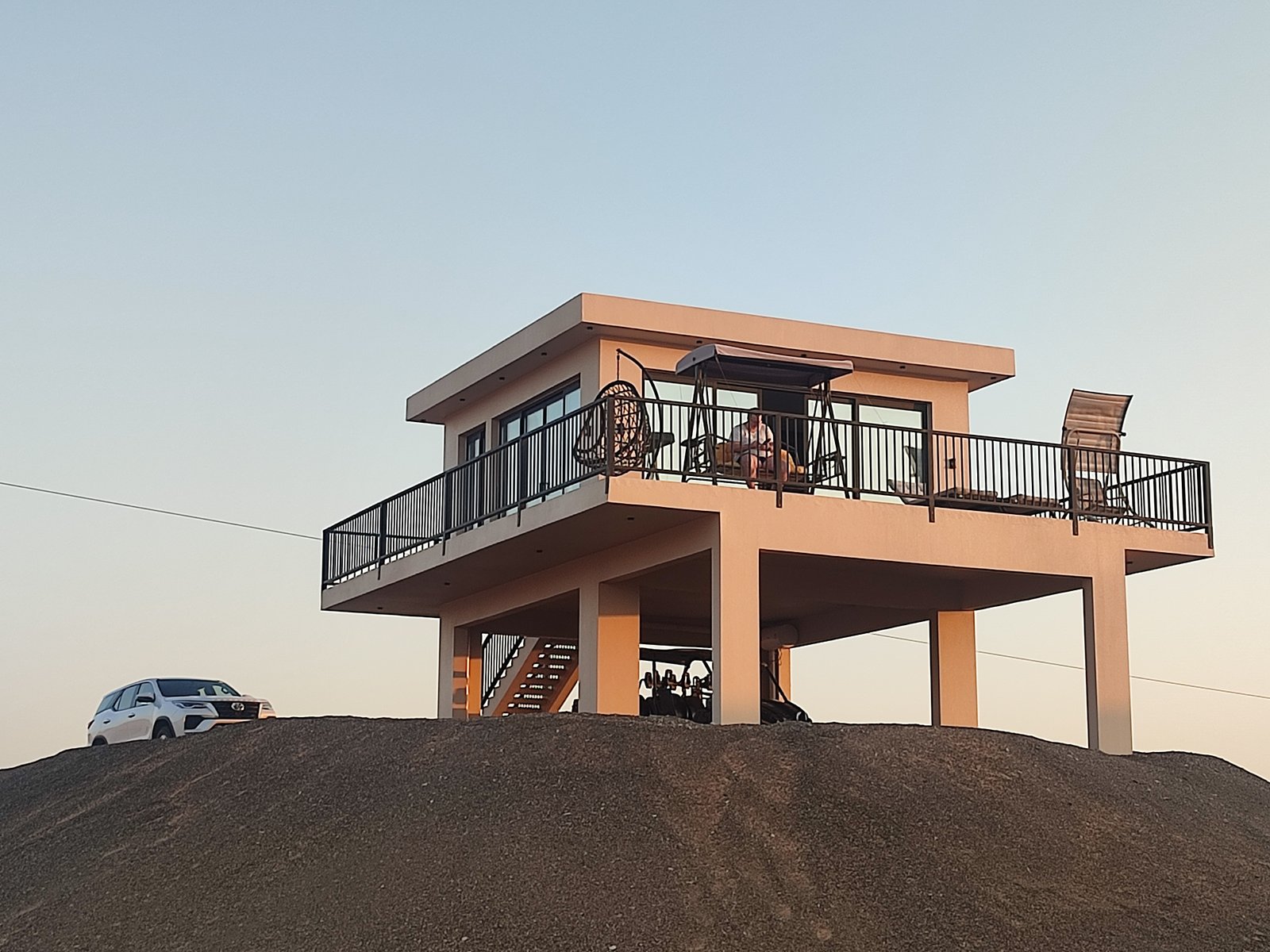
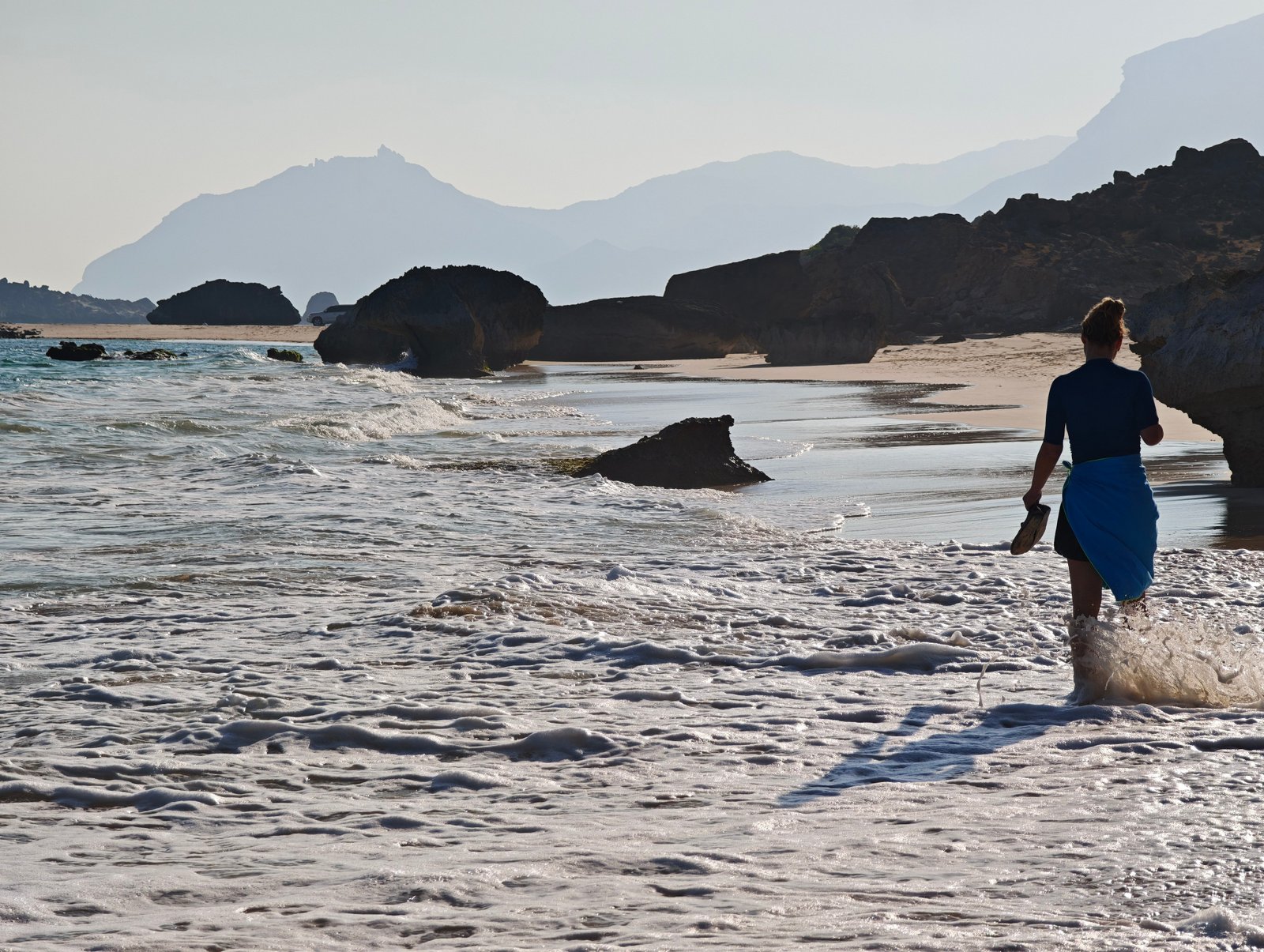
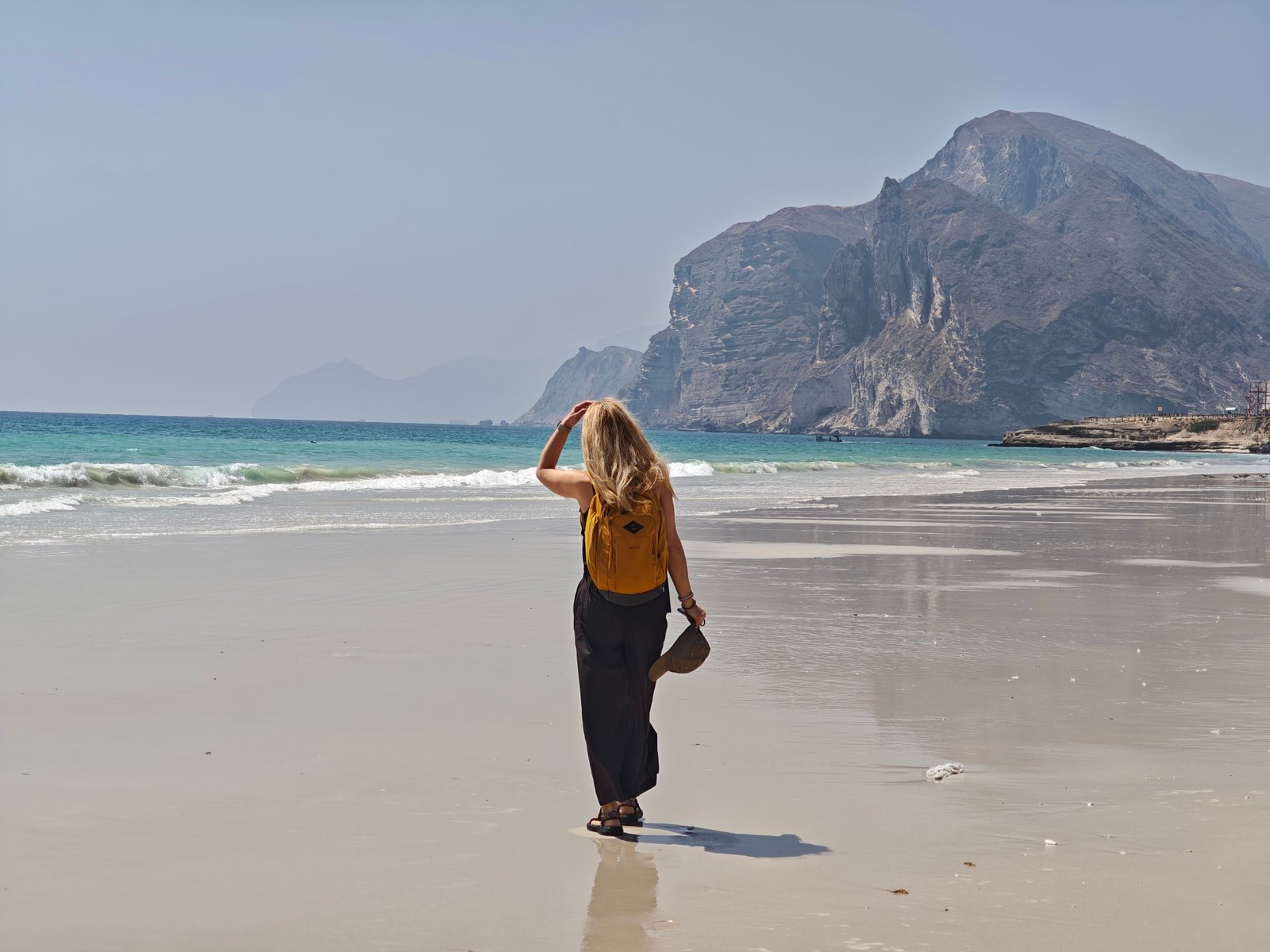
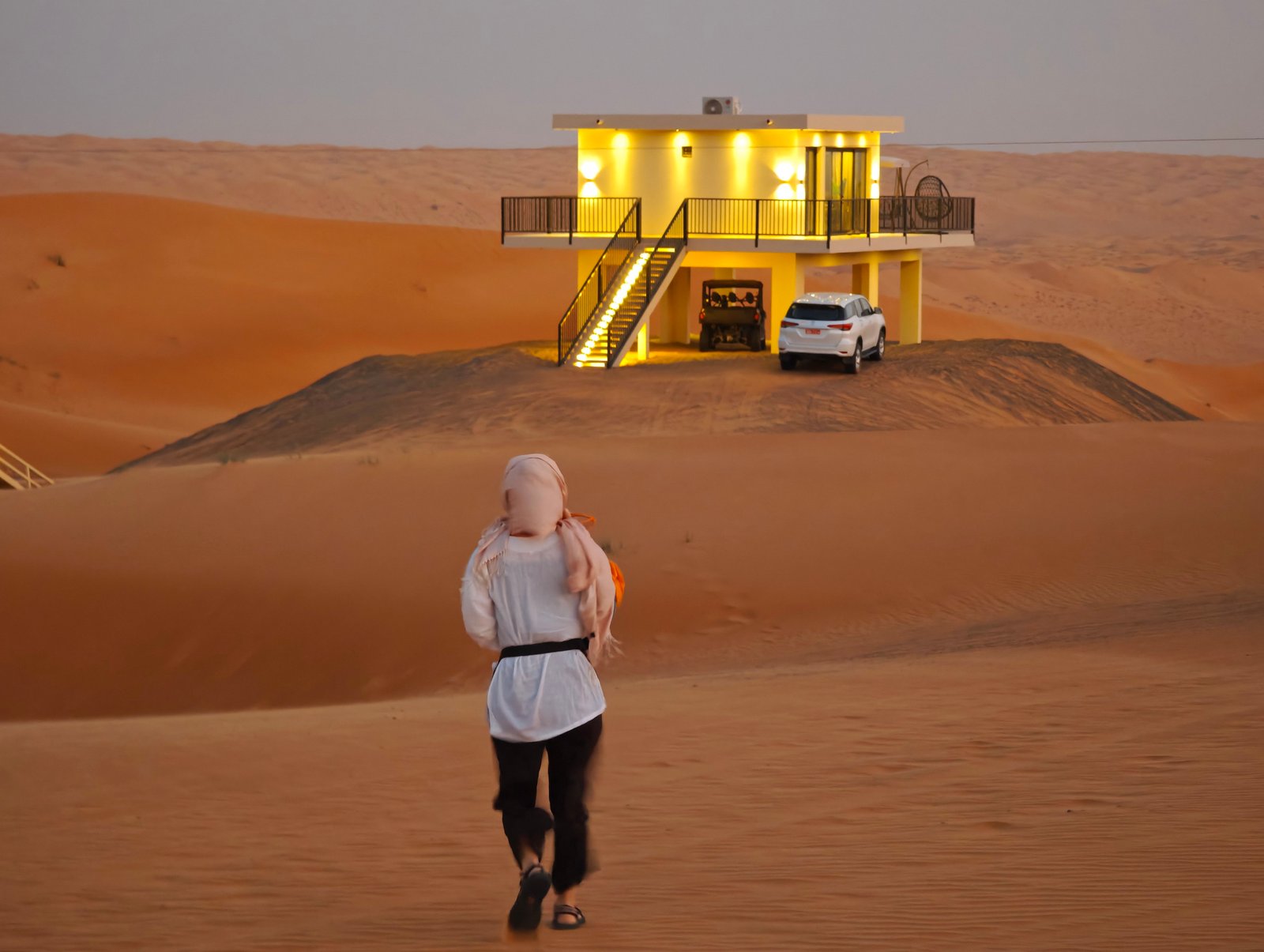
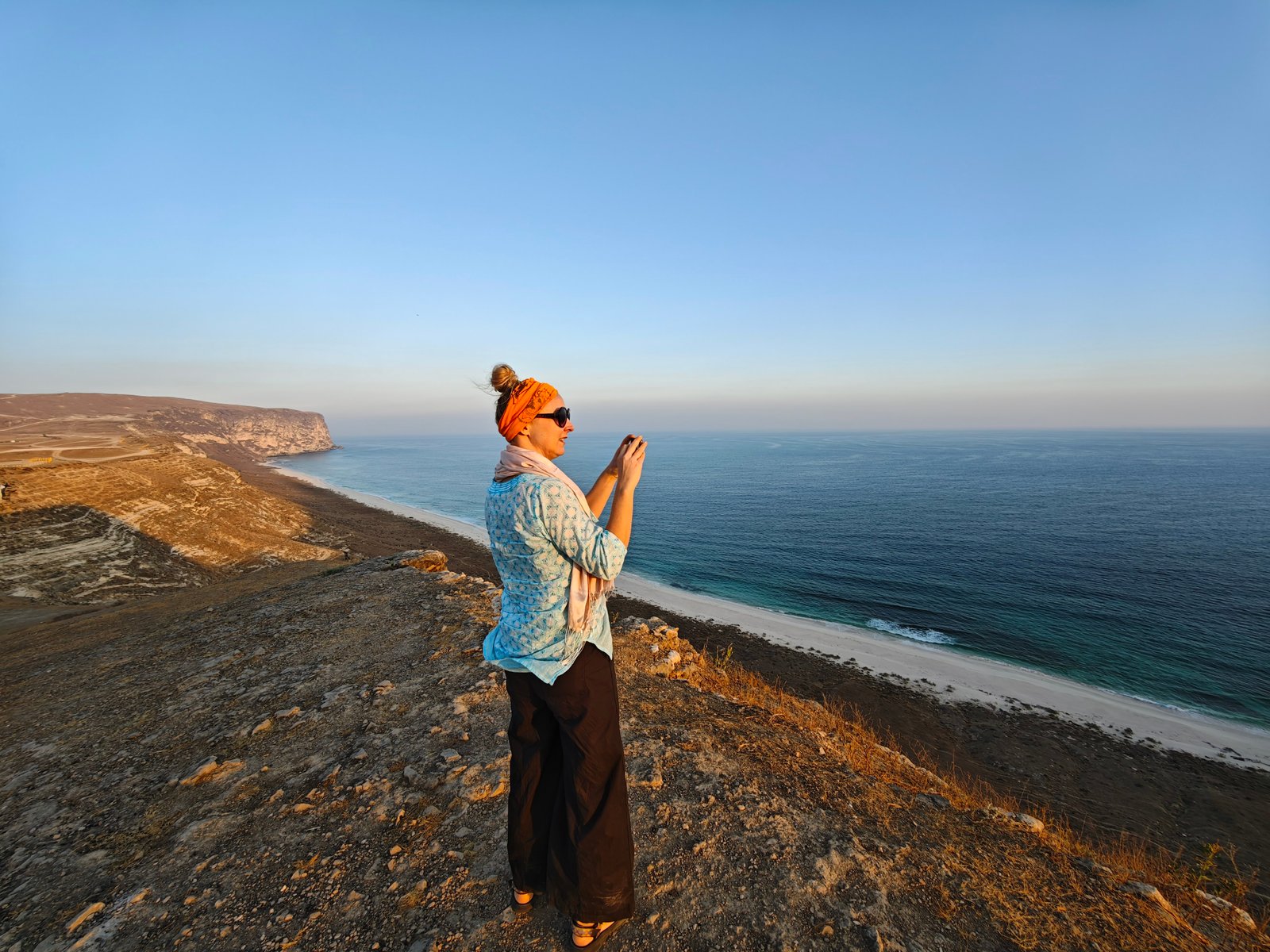
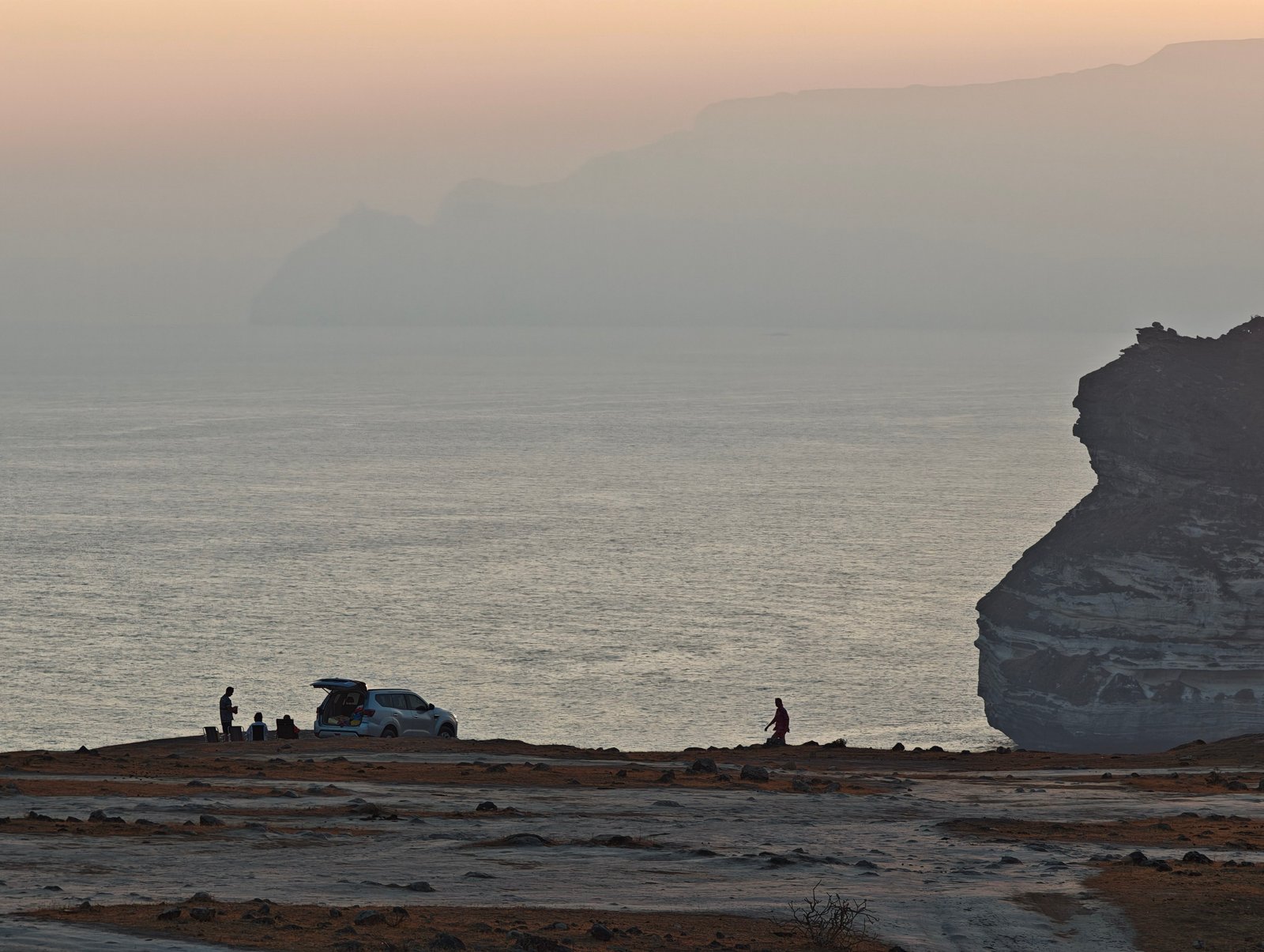
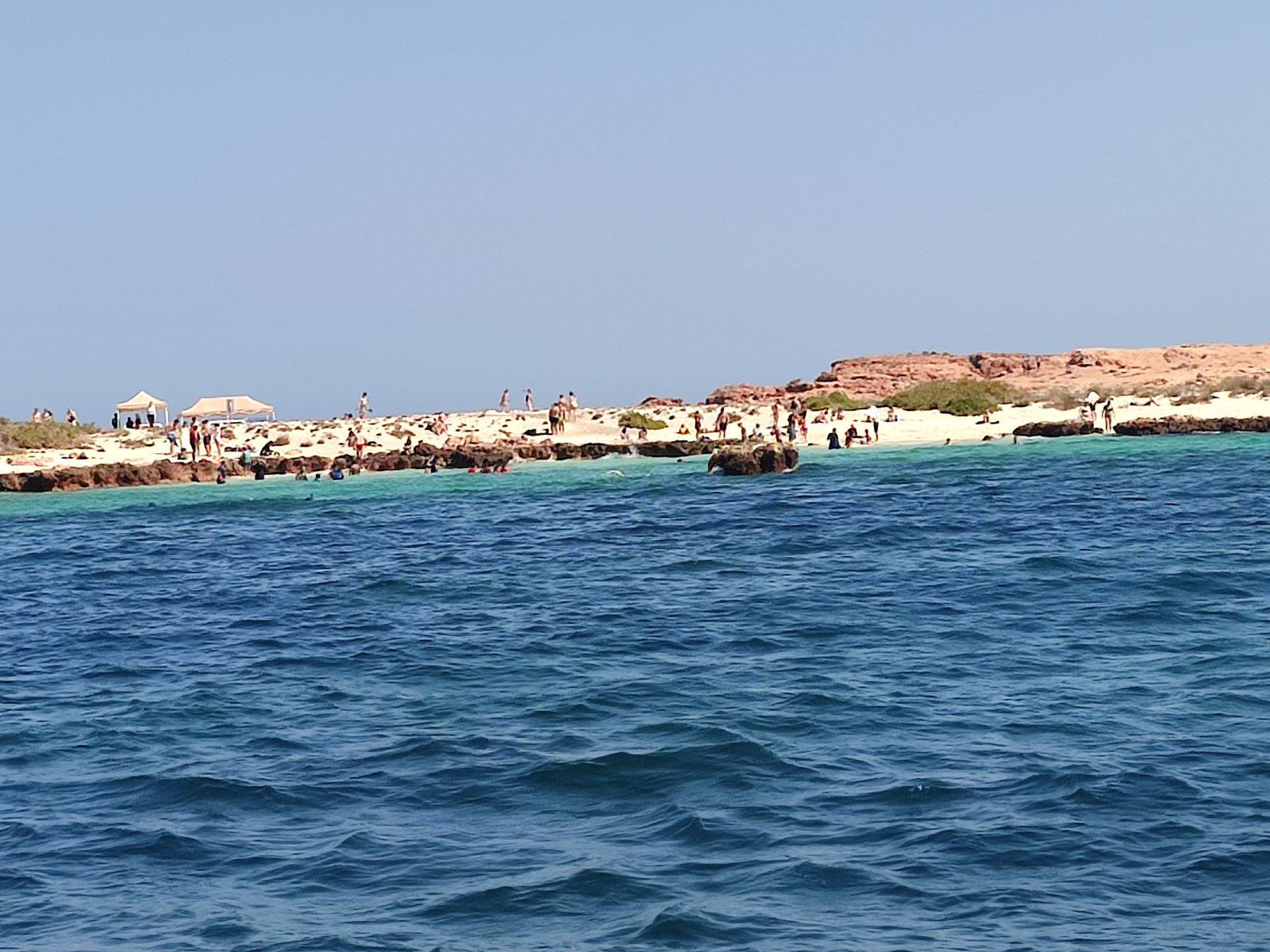
In winter — when the two of us came to this land — the endless Indian Ocean turns turquoise, the waves grow calm, the water is beautifully warm and gentle, the currents lie down. We swam with pleasure among countless tropical fish and sea turtles. Inland we met every kind of desert. One night we even slept in a sand desert that belonged to the Al Wahibi family. Our host was their descendant, Fatima, who prepared for us a luxurious home in the midst of that enchanted, sandy nothingness. In the evening, in total darkness, we gazed upon millions of stars in a clear, cold sky. The desert is roughly half the size of Slovenia.

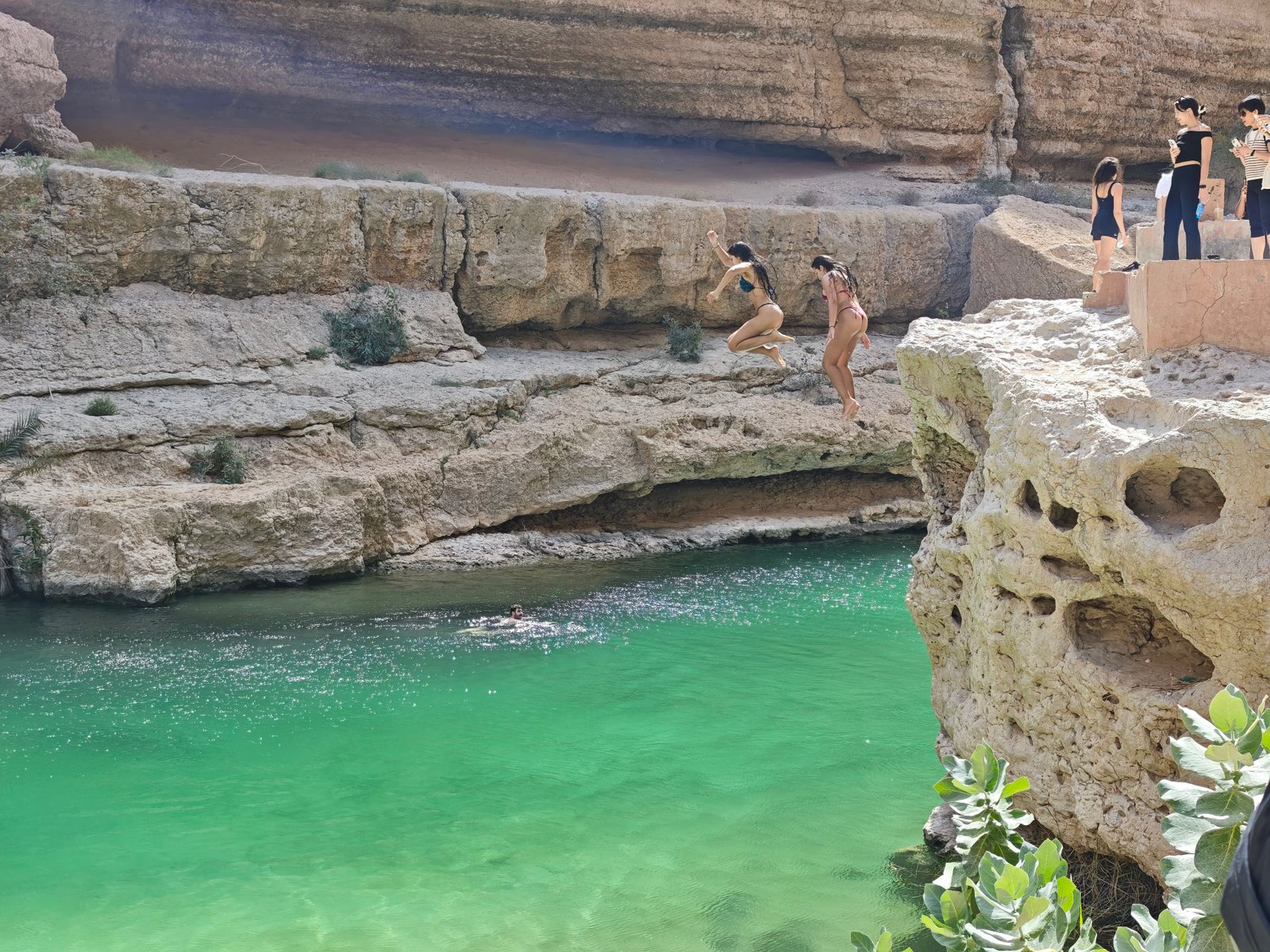
We saw the beautiful and magical Oman. Imposing Wadi Al Shab, where we made our way with crowds of other travellers through a river gorge to a cave and a waterfall — an unforgettable experience. Then we bargained in the souqs for coffee, oils, spices, and dates. We reveled and suffered with the Omanis at the start of Ramadan, when, under the threat of strict law, one must neither eat nor drink until sundown, to be followed by the great communal iftar feasts — a single culinary rapture.

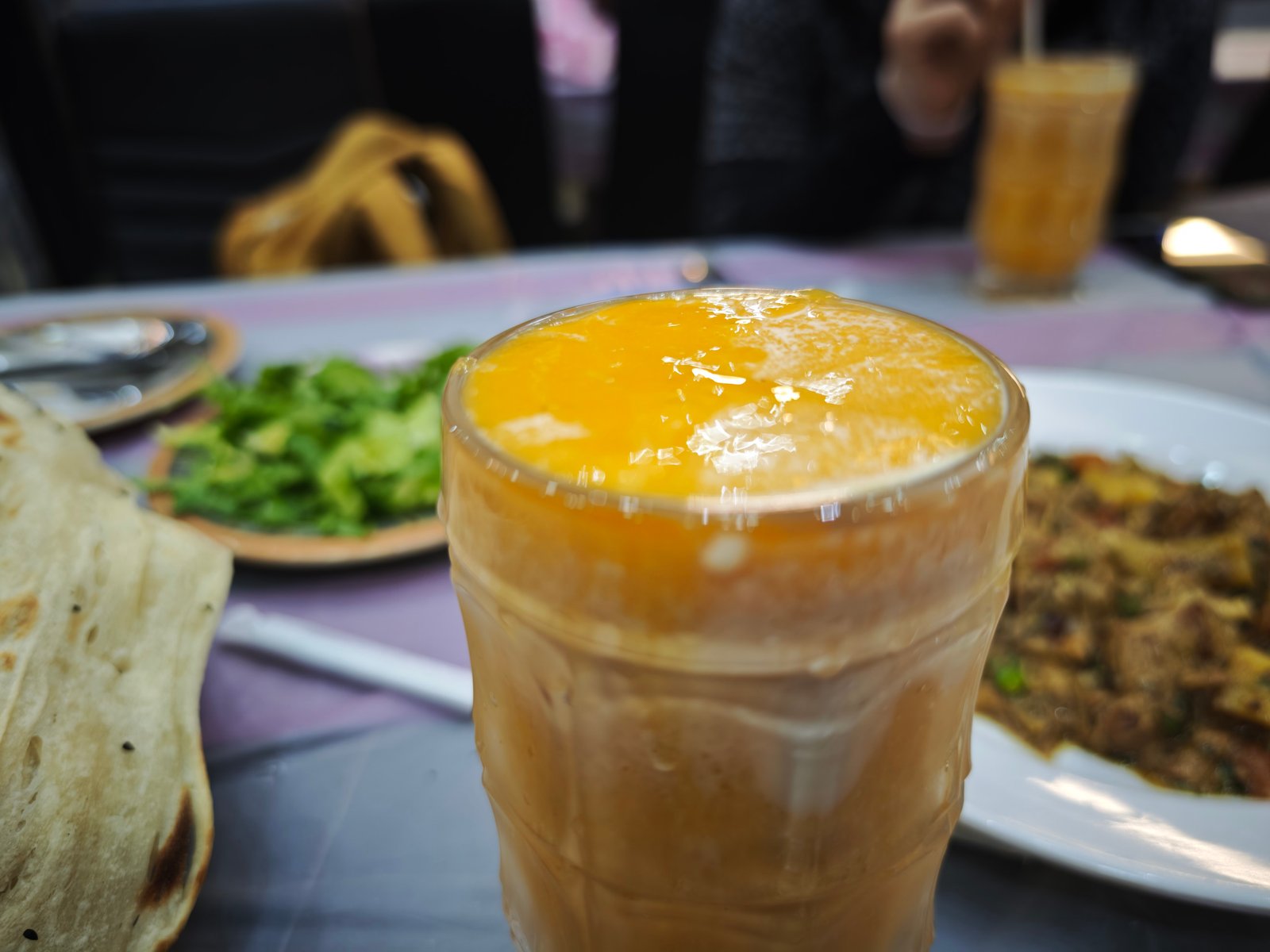
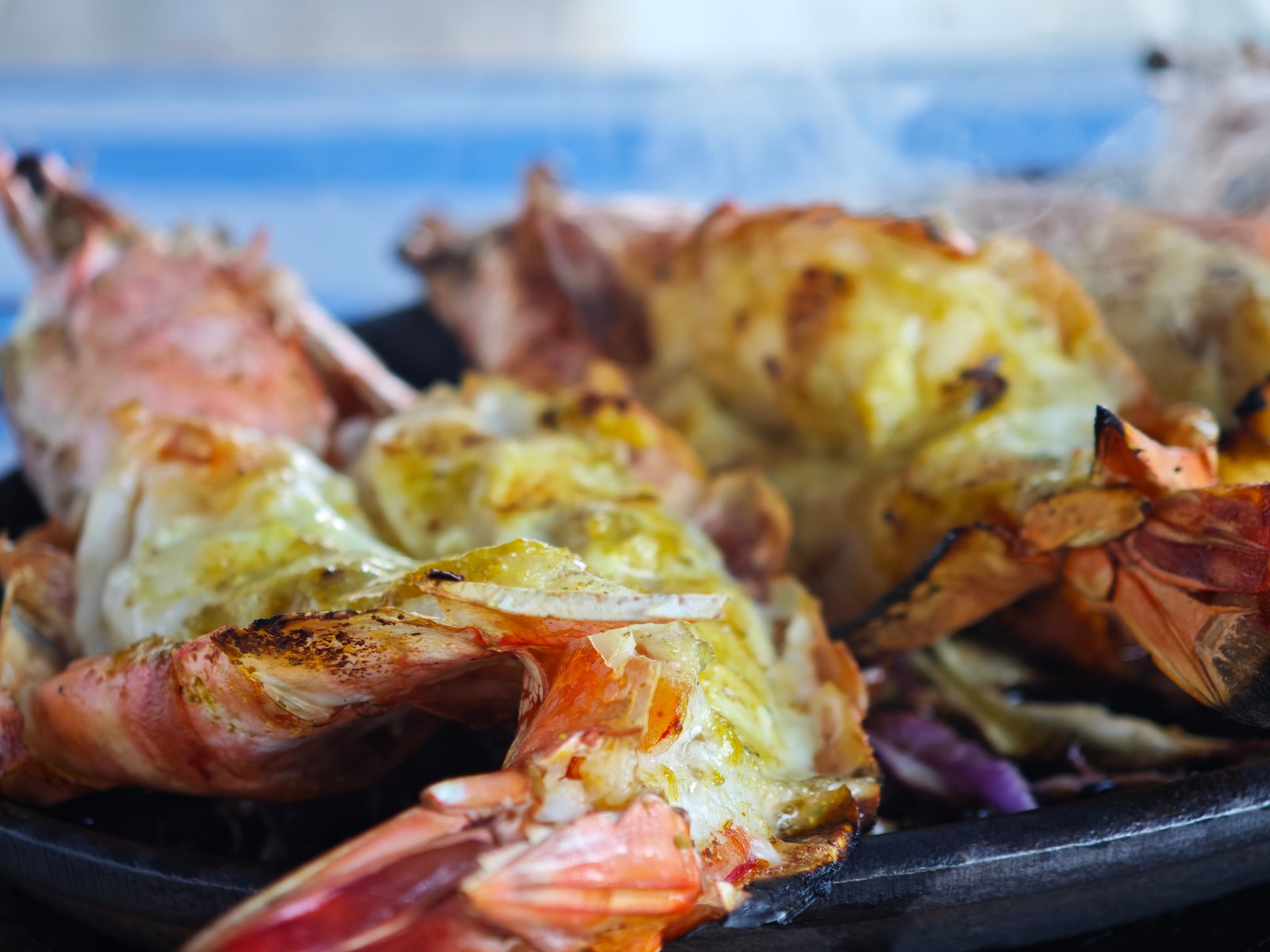
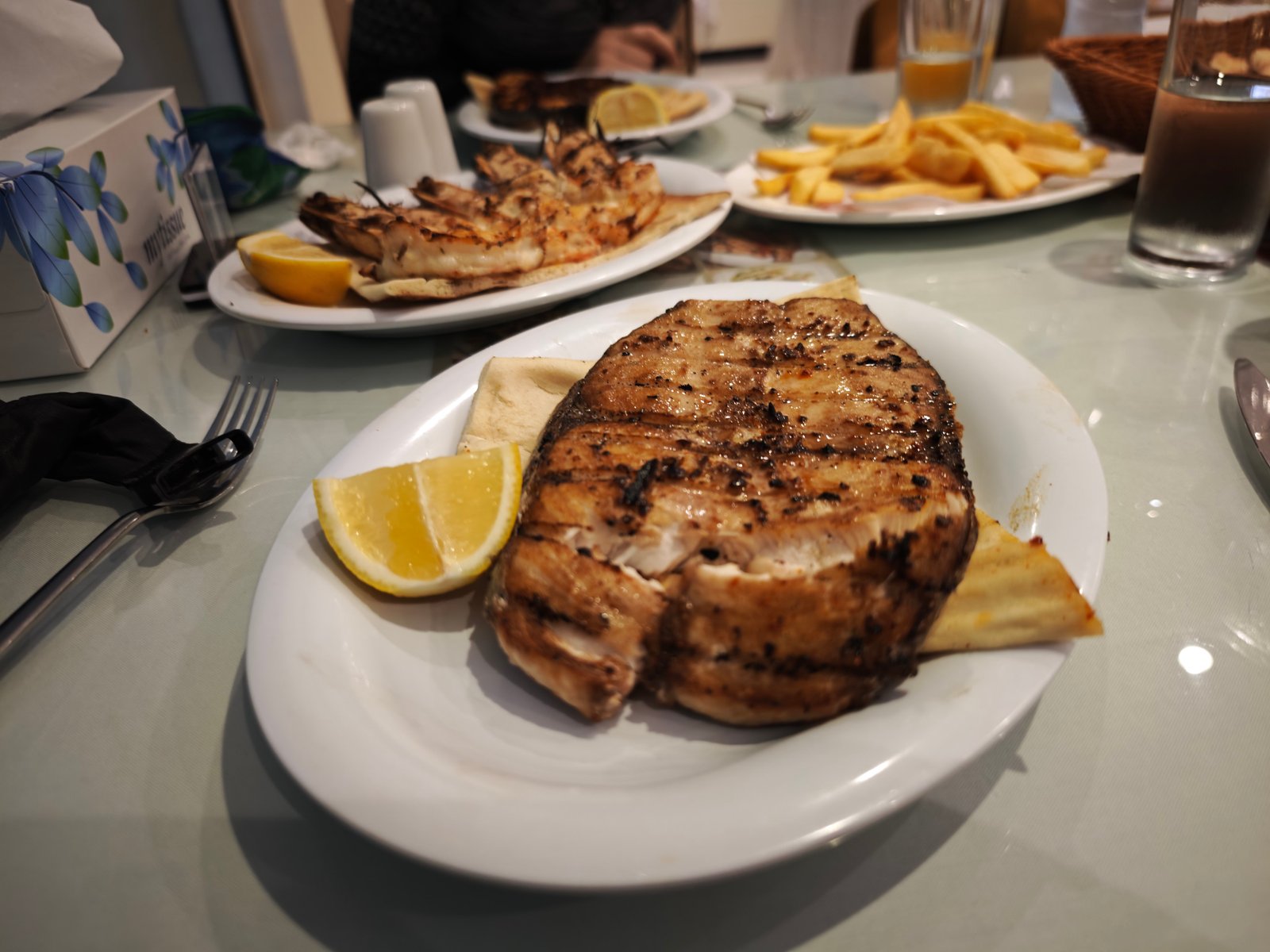
We walked high summits, passed through forgotten villages, descended dramatic gorges; in the Daymaniyat Islands we dove in search of turtles. We ate our fill of lobster, crab, and fish, and tasted Lebanese, Omani, Yemeni, and Pakistani kitchens. We dined splendidly, at prices of which, at home, we can only dream. We came to know the reserved and lofty soul of the Omanis, who always smiled at us with courtesy and warmth.

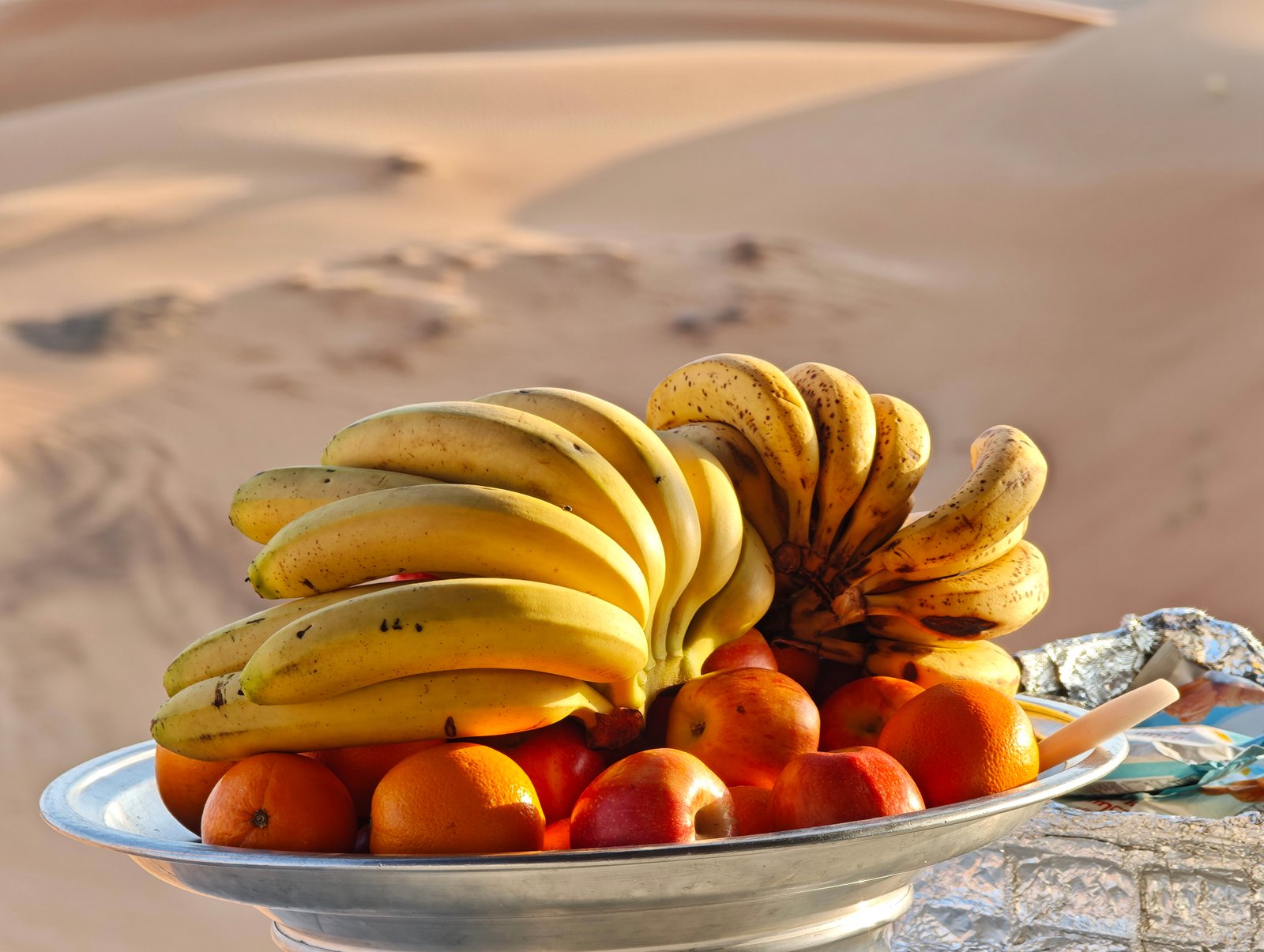
And so we reach the last chapter of the Thousand and One Nights. Sultan Shahryar will let Scheherazade live, for she has, night after night, enchanted him with her tales — and thus she has saved her own life. And we, too, enchanted by the gleaming story of Oman, are packing our things and all the delicacies we have bought in Omani cities. In a few minutes we shall again be embraced by the magical, resinous scent of the divine boswellia, by which the whole airport — all the Omani universe, all the smiles of these dignified and beautiful people — will be perfumed.
And now back into the February cold, into sleepy Europe. The scent of the jade-green frankincense of this miraculous land, poised on the edge of the ancient Thousand and One Nights, has never been lovelier, more enchanted, or more flawlessly alluring. — Primož and Vesna



A note when a new essay or travelogue appears. No noise, unsubscribe in one click.