Tokyo - the four-times-born metropolis of the Far East
Japan always seemed infinitely far from our own corner of the world — always so far that I could never quite gather it into my thoughts and imaginings. Every story I heard from those distant reaches I admired and reshaped in my imagination; I came to know that faraway world by watching American films, by reading books, now and then, later on, by listening to contemporary Japanese classical music, or, as a child, by watching grotesque anime cartoons on national television with equal parts fascination and horror.
Every piece of technology — the Hitachi integrated amplifier with its turntable and the Sharp transistor radio of my distant youth, and finally the Luxman digital-to-analogue converter I bought a few years ago — was built with precision and accuracy and an uncommon feeling for detail. I remember my music teacher Aleš Kacjan telling me how he went to Japan to buy his precious flute, filigreed and exactingly made by hand, worth a small fortune. My only real contact with Japan came by way of a crooked Zagreb dealer who sold me a set of otherwise precious six-year-old Takatsuki 300B tubes for my hi-fi and refused even to hear the word “warranty” when one of them stopped working. Takatsuki tubes are a prestige piece of Japanese hi-fi equipment; each month only fifty pairs of these precisely made valves are produced for the entire world.
In despair I contacted master Okamoto — I dug his email address out of the internet with some difficulty — and explained that the left tube of the pair had stopped glowing, that the Zagreb distributor, who was in truth nothing of the sort, refused even to hear about the warranty or about replacing the faulty tube with a new one… In short, to keep it simple. When I explained my predicament to the chief designer of these rare and precious 300B valves, the ones that render the middle of the tonal spectrum in my two hi-fi monoblocks, he immediately instructed his Japanese distributor to send me, in Europe, an identical new left-hand tube for a laughable €150, postage included. I had to send him precise photographs of the faulty valve so he could identify the exact type and series… He apologised that the Zagreb dealer had behaved as he did. Within a week, by express post, I received a new, perfectly made, precious tube from Japan. Let me point out that a pair of such top-tier audiophile valves costs more than €2,500 in Europe.
That day I encountered, for the first time in the flesh, the business ethic that springs from Japan’s centuries-old relationship to the world, from a firm pride and from the concept of wa, which built the monumental country we can admire today.
The Takatsuki factory in Kyoto and its master craftsman had nothing whatsoever to do with me and my troubles; they owed me nothing, and the master need not even have answered my email. That day I encountered, for the first time in the flesh, the business ethic that springs from Japan’s centuries-old relationship to the world, from a firm pride and from the concept of wa, which built the monumental country we can admire today. No sacrifice made to preserve the reputation and good name of a company is too great. The greatest horror for a Japanese is to lose face, to murder the most important value on which his entire social structure and sense of identity rests.
A fragment of that pride I am only now beginning to notice, as I wander through the largest city on earth, the colossal capital of Japan; I notice it in the temples, the shops, the museums: vast, ungovernable Tokyo, the hurrying crowds, the broad avenues and the Shinto sanctuaries of stillness set within the never-interrupted flow of an urban river of people, streets, opulent skyscrapers and small, narrow little buildings that lend the city its enchanting, unruly and at the same time traditional character.

A family reunion in a city of forty-one million people
This year’s journey we planned a little differently. Vesna had a great deal of unused leave left over from the previous year, so she set off in mid-June, in order to see, over a good three weeks, the Japan that the plan of our shared July travels would not encompass. She bought a special unlimited rail pass and, by high-speed Shinkansen and local trains, criss-crossed more than 5,000 kilometres on her own from north to south, visiting all the large islands — she left out only Hokkaido — museums, shrines, mountain refuges, sleeping in capsules (miniature dens for a single person), chasing trains, buses, the opening hours of temples and museums, eating nothing but rice and seaweed, swallowing the sights as they flitted past like a ravenous anaconda.
She lost several kilos on the road, and when, after almost a month, we met in a Tokyo apartment in the Asakusa district, she looked drained, wrung out, exhausted; it seemed as though historical Japan — Kyoto, Mount Fuji, Fukuoka, Osaka, Kagoshima, all the many countless little towns and ancient villages — had siphoned the last atoms of life out of her. She had hurried, wanting to see and come to know as many of the country’s cultural treasures as possible in a short time, but Japan is an enormous country, not one to be dispatched in haste. A week had to pass before Jakob and I could compel her to slow down and to rest, at least a little, from that swift, gruelling, intense journey.
My son and I flew from Zagreb to Tokyo with the Korean low-cost carrier Tway, an airline that has only recently introduced a connection with Europe. After ten calm hours in the air we changed at Incheon, the Korean airport, for the flight to Tokyo. The sensation of waking after ten hours in an entirely new world is indescribable. All at once we had become a minority in a new racial pool. People had grown slighter, smaller and above all thinner, like kindly, thick-lipped, broad-headed gnomes. An endless river of people carried us towards our onward flight to Tokyo. That one lasted only two and a half hours.
As we came in to land, the clear late-afternoon weather was already taking its leave. From the aircraft I looked down on immaculately tended fields, on a wonderful and thoughtful urbanism that had let nature breathe freely between houses built up in sensible, orderly fashion. It seemed to me that through the window I was contemplating a cultivated landscape as ordered and considered as the Swiss landscape in Europe. Nowhere was there a brutal new development to be seen; from the air the houses looked flawlessly beautiful, adorned with dark grey roofs. From this vision of lovely little villages there breathed, even from the air, a restrained modesty and harmony. I felt that we were landing in a country with a deep historical pedigree, a country that radiates restrained modesty and taste, a country that has given the world a great deal and, through history, taken a great deal from it as well.

Narita Airport is one of Tokyo’s two vast hubs. The other is called Haneda; it is older and closer to the city centre. Narita lies some 70 km from central Tokyo. It is linked to the city by express, local, special and many other trains, by bus lines and, of course, by taxis. Evening was drawing in as Jakob and I passed through the border and customs procedures relatively quickly, for I had obtained on the official website of the Japanese government a special QR code that swiftly released us from the obligatory drudgery — we did not have to fill in any additional forms on entering the country.
Things grew complicated, however, when we tried to buy a ticket for the Keisei Skyliner Express, the fast train that all but launches you into central Tokyo. We stood in line outside the office at the airport. It was closed; no one inside was selling tickets, the staff stood with their arms folded, and confusion reigned. We learned that the electronic safety system had detected a minute inconsistency in the signalling infrastructure. The line had been shut down at once, something that practically never happens. Company crews were combing over the situation on the ground, while the women in the ticket office hunched into a kind of guilty posture, stooping, staring bashfully at the floor; they looked as though they were apologising for the unexpected disgrace that had befallen them.
A few marshals kept order in the ever longer, ever more restless queue of passengers waiting to be whisked into the heart of the city. My son and I waited perhaps half an hour outside the company office before it was announced that the trouble was over. The women were selling tickets at express speed once again; we were directed to the platform, where the marshals arranged us passengers into a strict, perfectly aligned line. Woe betide anyone who stepped over the marked line — he was met at once with raw shouting in swift, explosive Japanese. The ticket automatically reserved two seats for us. Sadly it was dark by the time the train pulled out of the airport complex, so I never got to see the city that stretches for many tens, perhaps a full hundred kilometres in every direction.
After some forty minutes of lightning travel we stepped out at Nippori station. It was night by the time we found the exit onto the street. The area around the station was impeccably kept, clean, almost fairy-tale. It struck me as resembling a happy town built from a vast child’s set of Lego bricks. There were few cars on the roads and avenues, the streets were clean, and behind them glowed the neon signs of restaurants. For a moment I thought of the chaotic evening traffic, the noise and the filth of Bangkok, Jakarta and Manila… The city looked as though it had been tidied and dressed up for a beautiful, romantic film set.
The city looked as though it had been tidied and dressed up for a beautiful, romantic film set.
At the orderly taxi rank we approached a tall black cab that looked as though it had stepped out of some bizarre cartoon. One never encounters such automobiles in Europe. The car was a cross between a small van with a high roof, a bulldog with a flattened muzzle, a pre-war German Beetle forcibly cobbled together, and an old British Rolls-Royce whose roof had been raised by brute force. The elderly gentleman at the wheel wore an impeccably pressed livery adorned with a sort of metal pilot’s insignia and a captain’s cap, and white gloves rested on his hands. He stowed our luggage carefully in the boot and bowed to us.
When I showed him the address of our first lodgings, he entered it into his navigation system and we were off, driving through various parts of Tokyo, crossing streets and broad avenues, turning left and right, then entering the district called Asakusa; he set us down in front of a narrow building beside a small children’s playground and took his leave with a deep bow. Then we climbed a steep staircase to the apartment I had booked for a mere 200 EUR for the first three days of our stay. It was described as unusually spacious by Tokyo standards, yet Jakob and I could barely turn around in it.
Not half an hour had passed — we had barely set down our luggage — when Vesna walked in, whom we had not seen for the better part of a month. She was exhausted, her cheeks hollow, drenched in sweat, cursing that she had had to change three separate railway lines and walk more than a kilometre and a half with all her bags to get here, to this quiet residential corner of Asakusa. And so, after nearly a month, we met and embraced again, amid curses and ill humour. Still, we were glad that everything had worked out well until our reunion in that narrow little flat. The two-room apartment was small, admittedly, but comfortable and functional. The toilet looked as though it had been drawn by a science-fiction illustrator. And once I had grown used to it, I instantly envied future generations this comfort that attends a person in the most rudimentary emptying of the body; a comfort we in our medieval Europe can only dream of. That evening, worn out by the long journey, we went to bed early, though I managed to fall asleep only towards morning.
Tokyo — a city born four times from the ashes
I remember the moment I first encountered the wonderful films of Hayao Miyazaki, the brilliant Japanese animator and draughtsman who has signed his name to many of the great cult animated films that have won hearts the world over. For a long time my friends B0lko and Iztok Zupan kept urging me to watch his film Spirited Away (in the original, Sen to Chihiro no kamikakushi). That I would never forget it, that I would be enthralled by the depth and complexity of the story and its message. For a long time I resisted; something naturally off-putting came over me whenever I caught a glimpse of some Japanese anime. But when Jakob was just the right age, I discovered the marvellous world of Miyazaki’s films together with him.
All of them were charged with emotion, with themes of sacrifice, the longing for love, loneliness — or else they simply drew back the curtain on wondrous imaginary worlds. In his most recent film, The Boy and the Heron, Hayao settled accounts with his own life, with his earliest memories of war and of the fire that turned burning Tokyo to ash. The image of the boy running towards a hospital being devoured by flames, where his mother disappears, is one of the saddest and most harrowing passages in the film. Miyazaki’s memory, smouldering out of the ashes from when he was four years old, is his earliest memory of the war, when American and Allied bombers, in a destructive fever of retribution, turned the city into what was practically a charred desert.
Tokyo is not a city that grew slowly across long historical centuries, the way Ljubljana or Prague or Rome and other European capitals grew. In truth it has been utterly erased four times, each time born anew, and each time lovelier, mightier and larger than before. Ash and light, morning and darkness seem to be the fateful images of its tragic history and its intricate social essence.
Ash and light, morning and darkness seem to be the fateful images of its tragic history and its intricate social essence.
Roughly twenty years after we Slovenes received Dalmatin’s translation of the Bible, on the other side of the globe the warlord Tokugawa Ieyasu decided that the shabby, unknown fishing village of Edo would become the seat of his power. From the moment he settled there, it developed with lightning speed. In a little over a hundred years, by somewhere around the middle of the eighteenth century, that obscure marshland hamlet had become an immense city, larger than the London and Paris of the day. Colourful multitudes migrated into it from the near and distant countryside. Before long more than a million people lived there. Japan at this time was entirely closed off and isolated from the rest of the world. Although this was one of the largest cities on earth, the Japanese never encountered foreigners, neither white nor Arab merchants, nor colonial armies. They lived within a strict hierarchical order and a social harmony they had known for a thousand years.
The city grew at lightning speed. Tokugawa was seasoned and shrewd. He devised a cunning mechanism for ruling Edo without limit. He decreed that every feudal lord who might otherwise threaten his rule had to reside alternately in Edo and on his home estate, while his family remained in the city and did not travel with him. In this way the families of the other feudal lords unwittingly became a kind of hostage to Tokugawa, for the master of Edo thereby prevented rival shoguns and feudal lords from hatching plots against him and his reign. The French enlightened absolutist Louis XIV adopted a similar tactic, gathering the nobility around himself in a new palace near Paris. There the decadent and useless aristocracy quarrelled over nothing more than who would enjoy the privilege of sleeping closest to his bedchamber, instead of conspiring against the king unsupervised. Both men thus ensured that the prosperity and political stability of their realms would endure.
And because the land was at lasting peace, wealth flowed into the city of Edo and accumulated there; industrious workers refined it, and palaces, temples, onsen, new city quarters, avenues and residential districts rose up. Even the calm, quiet residential neighbourhood in Asakusa where we were staying was, in the days of the last shogunate, a proper aristocratic bordello and a magnificent red-light district, where lovely, delicate Japanese prostitutes serviced their numerous and insatiable clientele. In a mere 150 years the village of Edo had become an immense and prosperous metropolis, its tireless young mercantile heart pumping blood through the whole body of the country.
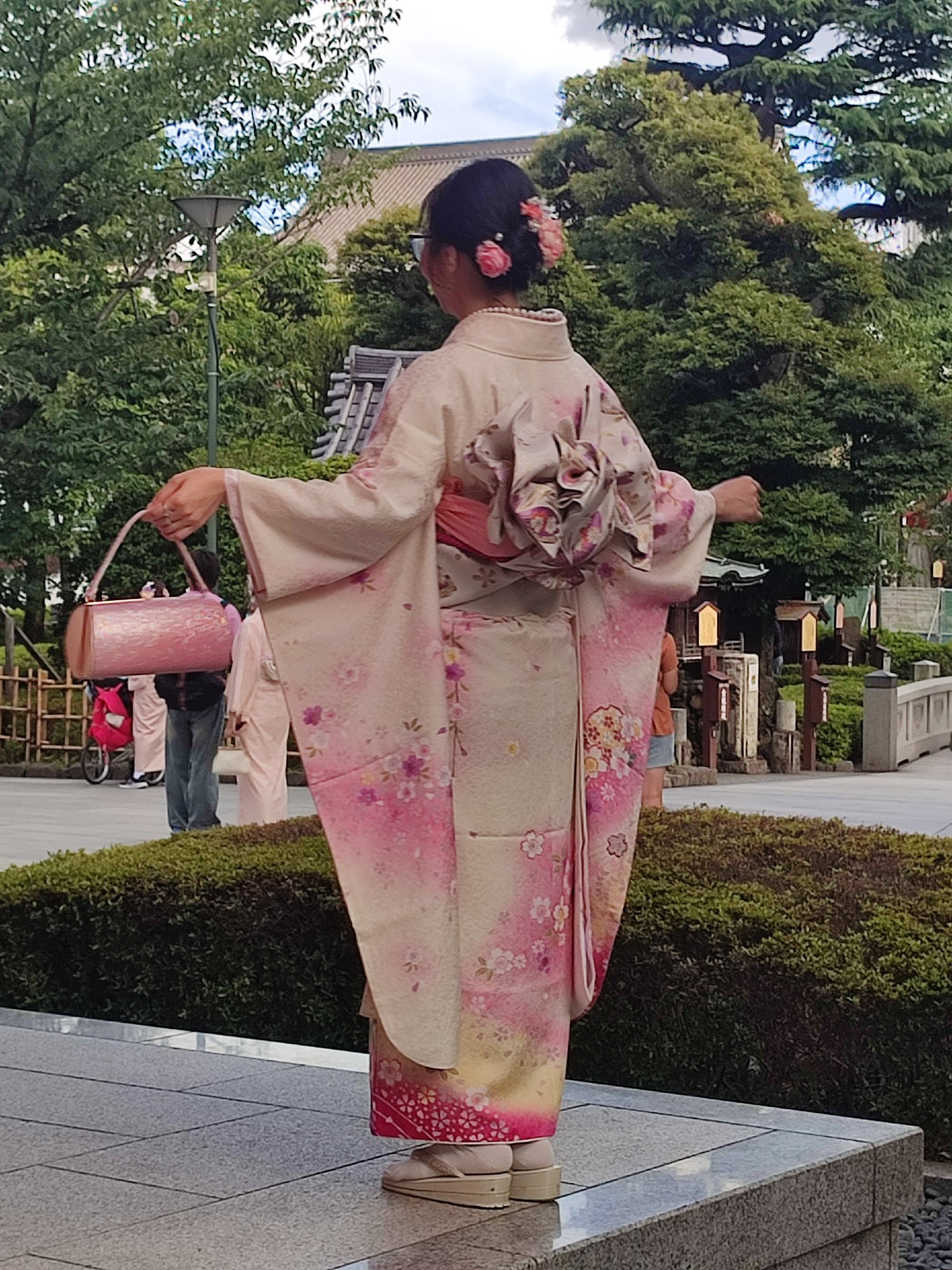
The city was born again in 1868, when military rule collapsed, when Japanese society broke with and overcame the old feudal shogunal hierarchy. The emperor, who had been a kind of sacred divine relic and a hostage of his military commanders, returned to the throne, and Edo was renamed Tokyo, the eastern capital. The emperor broke ruthlessly with the old feudal tradition. He cast off two centuries of isolation and began devouring everything that smelled of the West, of its science and technology — he built railways, factories, banks, wrote a constitution, reorganised and modernised life in the country. Yet along with these technical and civilisational novelties he did not import the Western system of values — that remained strictly and exclusively Japanese. The concepts of loyalty to one’s master, the bows, the etiquette of social harmony, the concept of wa that so firmly defines the Japanese, all remained unchanged. No one has ever altered them. The country modernised, yet preserved its ancient social and human ethics; it never ceased to be Japan.
When the Great Kantō earthquake of 1923 levelled the city in a matter of minutes, it was born from the ashes for the third time. After the first tremor, tongues of flame swallowed entire wooden quarters; more than a hundred and forty thousand people died in the fire, two million were left without a roof over their heads. It is precisely this earthquake that Miyazaki paints in his penultimate animated film The Wind Rises (Kaze Tachinu), where the earth writhes beneath people’s feet like a rolling sea and devours everything into its dark embrace. Hayao was fascinated by aeroplanes, which fly and hover above the earth like benign demons. In his personal anime testament he gave the aeroplane a magnificent role — it became a miracle of beauty and human progress, and yet the winged metal bird can swiftly transform into a ghastly creature of war, sowing destruction and death from the air. And so Miyazaki always drew the same theme: beauty devoured and destroyed by a universal, demonic horror.
And for the last time — definitively, the fourth time — the city was born after 1945, when in a single March night American aircraft bombed it with incendiaries and turned more than half of it to ash; in the districts hardest hit by the tragedy almost everything burned or literally melted. It is from such a fire, one that swallows an entire city into its demonic abyss, that Miyazaki’s boy flees. And it was out of this post-war ash that the city we know today arose. It was rebuilt feverishly, lucidly, with attention to every last urbanistic and logistical detail; it was expanded and built up almost obsessively.
When the Korean War broke out in 1950, American war orders, paradoxically, saved Japanese industry from collapse and ruin. And so there came an economic miracle almost without parallel: for sixteen consecutive years, from 1957 to 1973, the economy grew by roughly ten percent a year, without pause, and the population swelled to an astonishing 120 million souls. From modest beginnings grew vast corporations that meant something in the world then and mean something still. Mitsubishi, Mazda, Toyota, Nissan, Honda, Yamaha, Hitachi, Seiko, Tohatsu, Isuzu, Komatsu, Casio, Sony, Panasonic, Matsushita — I could go on all the livelong day. People poured in rivers from the countryside, new suburbs sprang up with lightning speed, one railway line after another was built and opened, underground and overground alike, and in 1964, when Tokyo hosted the Olympic Games and the Shinkansen bullet train, the seventh wonder of that world, first hurtled towards Osaka, the city rose for the last and final time out of the ashes of its recurring tragedy like a young and potent phoenix.

Yet the Japanese were no innocent angels, no bodiless and sinless small dark-haired beings somewhere on an archipelago of the Far East. During the Second World War they were merciless conquerors of Korea, Manchuria and Southeast Asia. The countless accounts of how cruel and inhuman they were still make my hair stand on end. The accounts tell of an unstoppable military killing machine that pitilessly scalped, flayed, murdered, hacked and shot other peoples, herded them into camps and bloodily slaughtered the human dignity of millions across the wider Pacific region. And when that same military machine began to lose the war, it flung itself in despair into a suicidal doom that frightened and fascinated its American adversaries. Every crime the Japanese committed during the Second World War they committed systematically, lucidly, with discipline, without conscience, without questions and without inner dilemmas.
When the war ended and the Japanese economic miracle began, the nation did not cleanse itself inwardly of its own war crimes and evil, did not undergo catharsis, never truly promised itself that it would raise its young generations differently. Quite simply there was no time, for postwar Japan had become part of the new anti-communist bloc of the Cold War. The crimes were simply pinned on a handful of overly zealous and unhinged generals, who became the culprits of the tragedy of war and of the nation’s collective guilt. The people were shaken by the atomic bombings; society resolved to live in peace and even wrote pacifism into its new, postwar constitution. The city had to be rebuilt, thousands of kilometres of new track and road laid down, countless new skyscrapers and city districts raised; overnight, brutal soldiers became the employees of newly minted corporations, where they worked with the same fanaticism with which, only a decade earlier, they had severed the heads of civilians; now devoted to their modern-day shoguns — bosses, shift leaders and directors — with the same discipline, the same motivation they had shown when they were dying fanatically for their warlords and masters.
With the same fatalism with which they had hurled themselves and their aircraft, suicidally and in despair, against American frigates and carriers in order to alter the course of history, to preserve their pride or their destiny, they became salesmen, manufacturers, traders, scientists, artisans. Corporations became the new battlefields, and their directors the feudal lords of a new age, who from new bunkers, new war rooms at the summit of new and gleaming skyscrapers, directed a different kind of war and demanded for themselves and for the company an unconditional loyalty utterly incomprehensible to our Western cast of mind. Discipline and subordination the Japanese of the new era internalised and reshaped in their own image. If a mere decade earlier they had been the ideal, obedient, fanatical warriors of an unstoppable and merciless imperial war machine, they now became ideal employees who lived for the corporation, submitted to its interests and its rhythms, worked all the days and nights, all the months and years without pause, without rest — worked in such a way that they first sacrificed their freedom to the company, and later their very humanity and dignity.

The Japanese word karoshi, death from overwork, is a heavy one, and it reflects the whole tragedy of the individual who sacrifices his own freedom for the success of his new corporate master.
If unconditional cruelty had been the imperative norm of the Japanese war machine, then fanatical, devoted labour was the new corporate reality, one that preserved the individual as a useful coolie, bound by definition in a new, close and — most chilling of all — voluntary condition of servitude to his owners and bosses. The Japanese word karoshi, death from overwork, is a heavy one, and it reflects the whole tragedy of the individual who sacrifices his own freedom for the success of his new corporate master. In this infernal Asian system, unimaginable to us leisurely Westerners, lies the essence of Japan’s post-war success. The individual is a tessera in the social fabric; he sacrifices his own place in life so that the fabric of which he is a fragment may be harmonious and flawless.
And it was in this light that modern Tokyo came into being one final time: a city of unimaginable proportions, of formidable wealth, of broad avenues and mighty new skyscrapers, each of them within itself a kingdom and an oasis of unwritten fanaticism and daily sacrifice, where the individual exhausts himself unto death, down to the last atom of his freedom. A fairy-tale city built of Lego bricks, wonderful streets, a modest and courteous taxi driver, a small eatery where an old woman prepares marvellous udon noodles — all of it requires only one sacrifice. The individual must erase his own ego, his own desires and personality, so that he may be sacrificed for the good of the harmonious social fabric. And that erasure is, to me, the most tragic thing I have felt and experienced in the largest city in the world.
And what does it look like? People spend all their days at work. They wake at seven in the morning and spend hours packed into Tokyo’s subway, overground and monorail trains. From the suburbs to the business districts of lower Tokyo the ride can take more than an hour and a half. They race so as not to be late for work, jostling for a place on the overcrowded trains that arrive and depart every minute, carrying millions of diligent people at colossal speed into the central and commercial parts of the city, into its countless business quarters. Then they slave away at the office to the point of collapse, and long after working hours have expired they meekly accompany their boss, who has decided he would like to socialise a little longer with his subordinates at a city izakaya near the office. There he treats them generously and expects them to entertain him, to sing karaoke with him, to smile at him and cheer him on, until this thousand-strong herd of poor souls catches the last train that will carry them off to their miniature suburban burrows, where, dead tired, they quickly prepare instant ramen around midnight and then fall asleep, spent.
If luck is not with them and they miss the train, they sleep in special capsules, tiny burrows built in business Tokyo for precisely this purpose, and from there they head straight back to work. And this cycle, this mournful rite, never ends; it goes on infernally from day to day like a nightmare. And so the social fabric functions flawlessly. Everyone invests in their work the last atoms of their effort, their honesty, their faith. Everyone is convinced that what they do is the most important task on earth. Everyone takes pride in their work, and so the traveller quickly feels as though they have entered a fairy-tale land unlike any other in this world.

And perhaps this is precisely where the unease I could not at first explain to myself lies hidden: the city’s flawless order, its sterile cleanliness, the complex mechanism that ticks to the exact second and regulates urban life — none of it is the fruit of centuries-old tradition or of the slow organic growth of a society, but of something that has, each time anew, swiftly and decisively reprogrammed its people on the ruins of a city destroyed four times and four times risen again. In the fairy-tale image of wondrous Tokyo, in the unstoppable energy of the city, in the punctual and precise system that drives every traffic light and every railway line, there lie buried somewhere deep in the foundations of its earthquake-proof buildings layers of ash, of personal tragedies, of national catastrophe and primordial evil and the dismantled individual ego. And at this very moment, in the city’s outskirts, the last people who still remember the smell of its primordial terror and destruction — the terror Miyazaki’s unerring hand painted with such expressive force — are dying in solitude and oblivion.
In the fairy-tale image of wondrous Tokyo there lie buried somewhere deep in the foundations of its earthquake-proof buildings layers of ash, of personal tragedies, of national catastrophe and primordial evil and the dismantled individual ego.
Tokyo — a dystopian sketchbook of solitude
To observe the largest city in the world and to live in it is an experience apart. Every visitor, every traveller feels and experiences it differently. The city is so vast that no short, cursory piece can hope to contain it. To describe it one would have to reserve the space of a long novel, if only to record the at first incredible sensory exertion to which we Europeans are truly unaccustomed. From every direction come the voices of loudspeakers, gentle female voices informing, reminding, warning, forbidding. They mingle with the noise of train compositions that hurtle back and forth without pause. Then the streets branch off in every direction, lined with shops, stores, restaurants. Everything blends into a manifold noise and dynamism that at first suffocates the traveller, until he grows used to his new situation.

First we had to contend with the labyrinths of entrances and exits that steer you to the correct side of the street; then we grew used to the countless loudspeakers announcing in Japanese when, from where and to where the next train would arrive or depart. On enormous boards the coming arrivals and departures are set out to the minute. Everywhere there are flickering screens broadcasting all manner of information, mostly in Japanese; then the hurrying crowd, which lures you into following it, so that before long you find yourself carried off in the wrong direction. And the noise from the road, the various signs that once again direct, warn, tell, defend, command and above all forbid. Everything runs with an incredible haste, as though some abstract supreme deity of the city had oiled the hinges of everything that moves, comes and goes.
And despite the appalling multitude of people forever hurrying somewhere, everything runs smoothly, swiftly; everything is submerged in the oil-drops of a precise intimacy with time, everything pulses in cycles anticipated in advance. Here it is not minutes that are precious, but seconds. Not a single human gesture of the city’s inhabitants is superfluous; everything is synchronised with schedules, with the arrivals and departures of trains, with the traffic lights that shepherd pedestrians. Even the crowd itself, which within the observer’s narrow radius numbers several tens of thousands at once, is miraculously synchronised within itself. It is as though people had rehearsed their chance encounters long and precisely. No one touches anyone, not even by mistake, let alone barbarically blunders into another by accident; the brains here are evidently so well trained that they process everything carefully and quickly, calculating the correct vectors of direction and the predictable coordinates by which a person safely avoids all those who cross, intersect or graze his path.
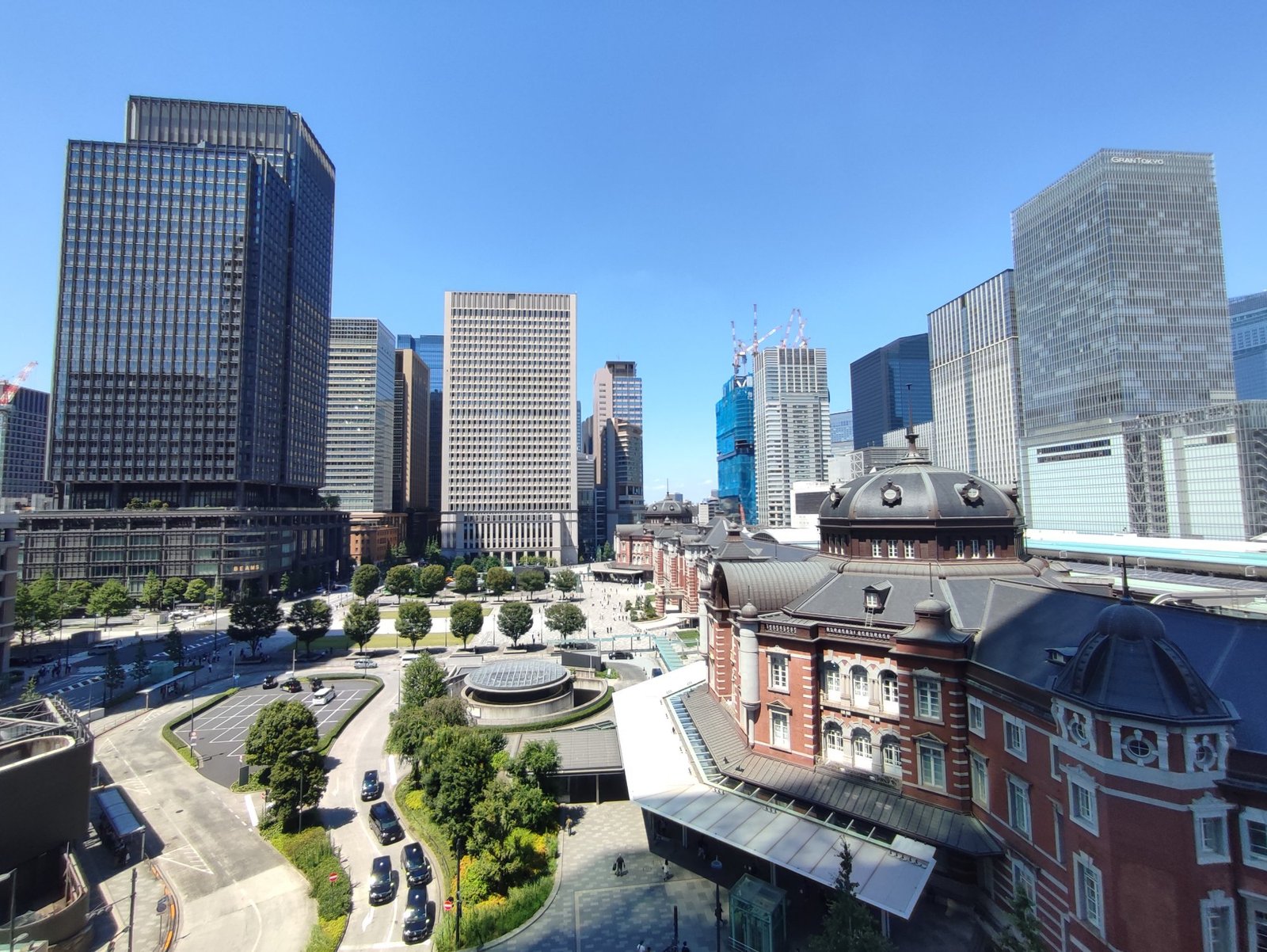
Everything proceeds intuitively, everything works; the mass moves, then meets another great throng that dives at it perpendicularly. An accident never happens. Vectors, glances, movement — all of it is adjusted on the fly. There are no errors. People are part of the moving mass, yet they pretend that no one else is there, that they are alone in the midst of an infinite emptiness, that the numberless, ungovernable, accidental crowd does not exist. Ignorance is evidently a system of survival on the streets of Tokyo. Never will a chance fellow traveller on trains, at stations or in the streets grant you a glance, smile at you, notice that you are there in flesh and blood, that you breathe, that you exist. And yet people wake in an instant from their lethargic indifference if you ask them for information, for a photograph, or for the direction of the nearest station exit. They seem for a moment to come alive, eager to oblige you hot-bloodedly and to help you sincerely.
Otherwise the city’s inhabitants resemble robots, gazing into the void, isolating themselves deeply and unconsciously from everything sensory, switching off. They shed their human garment; in Tokyo’s vortex and temporal abyss a person becomes the unhappiest, loneliest and most helpless creature on the whole face of the earth. You are surrounded by millions of people, by wonderful restaurants, magnificent parks, palaces, temples, museums, enchanting city quarters, bizarre themed cafés, vending machines dispensing every kind of trinket — and yet the solitude I felt in the midst of the world’s most vibrant place was bitter, sorrowful, unspeakable and terrible. I have never met or come to know anyone who has ever exchanged a chance word with a local in the city. And this solitude hangs over the whole city like a veil of damnation or of survival, like a menacing, heavy, sultry cloud.
In Tokyo’s vortex and temporal abyss a person becomes the unhappiest, loneliest and most helpless creature on the whole face of the earth.
Let harmony be prized above all
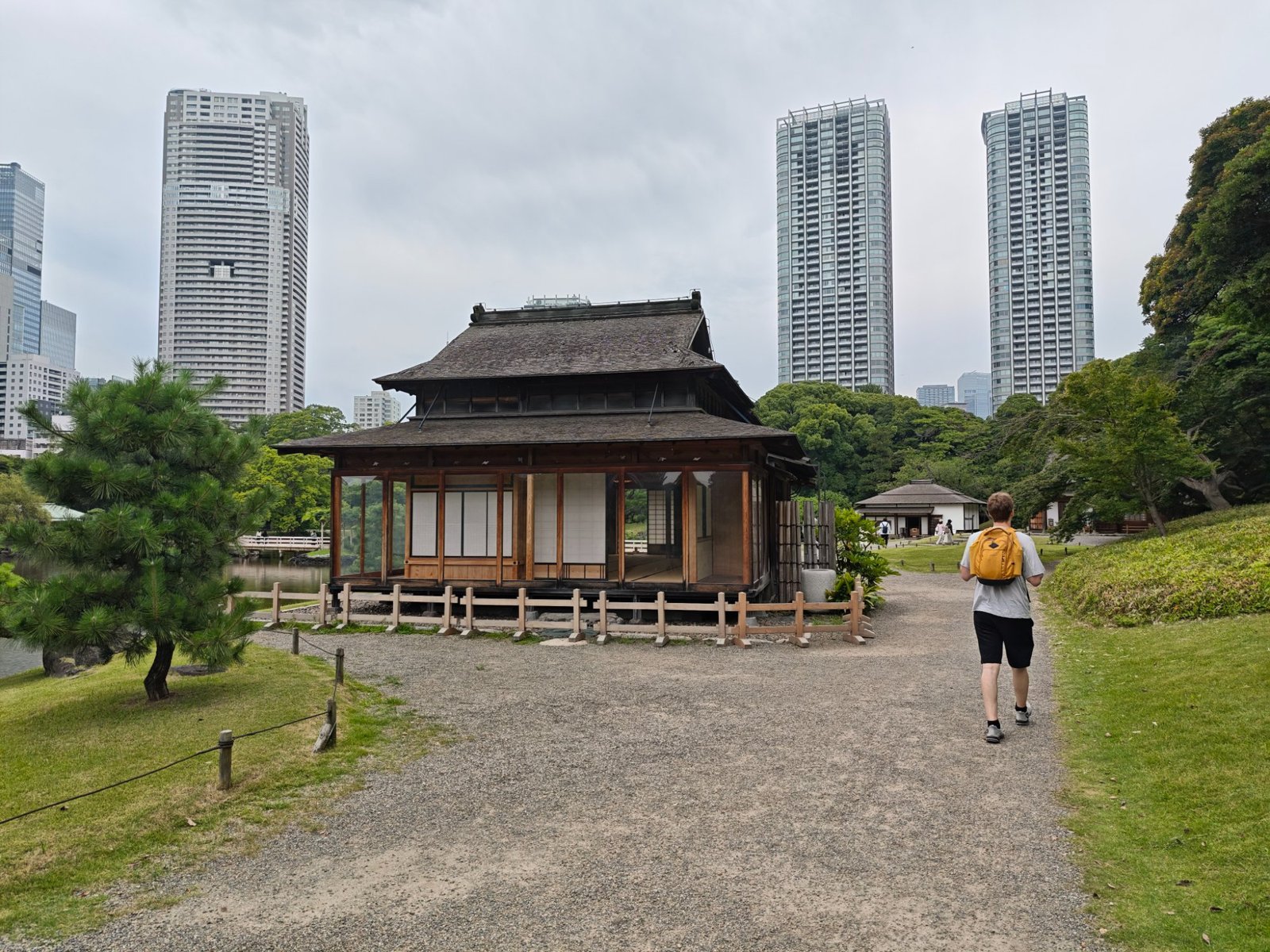
On the second day of our stay in Tokyo we set off by boat from Asakusa along the Sumida River to the Kyū Shiba Rikyū gardens. Along the way the city unfolded before us: orderly, spacious districts, opulent business towers, flocks of low apartment blocks that in the next moment gave way to splendid residential buildings, to the palaces of the wealthy with their playgrounds, running tracks and cycle paths. We sailed beneath countless bridges linking the two banks of the river, past right-angled canals where, on either shore, yet more new quarters of the city spread out — sports facilities, industrial halls, pavilions and palaces of modern architecture.
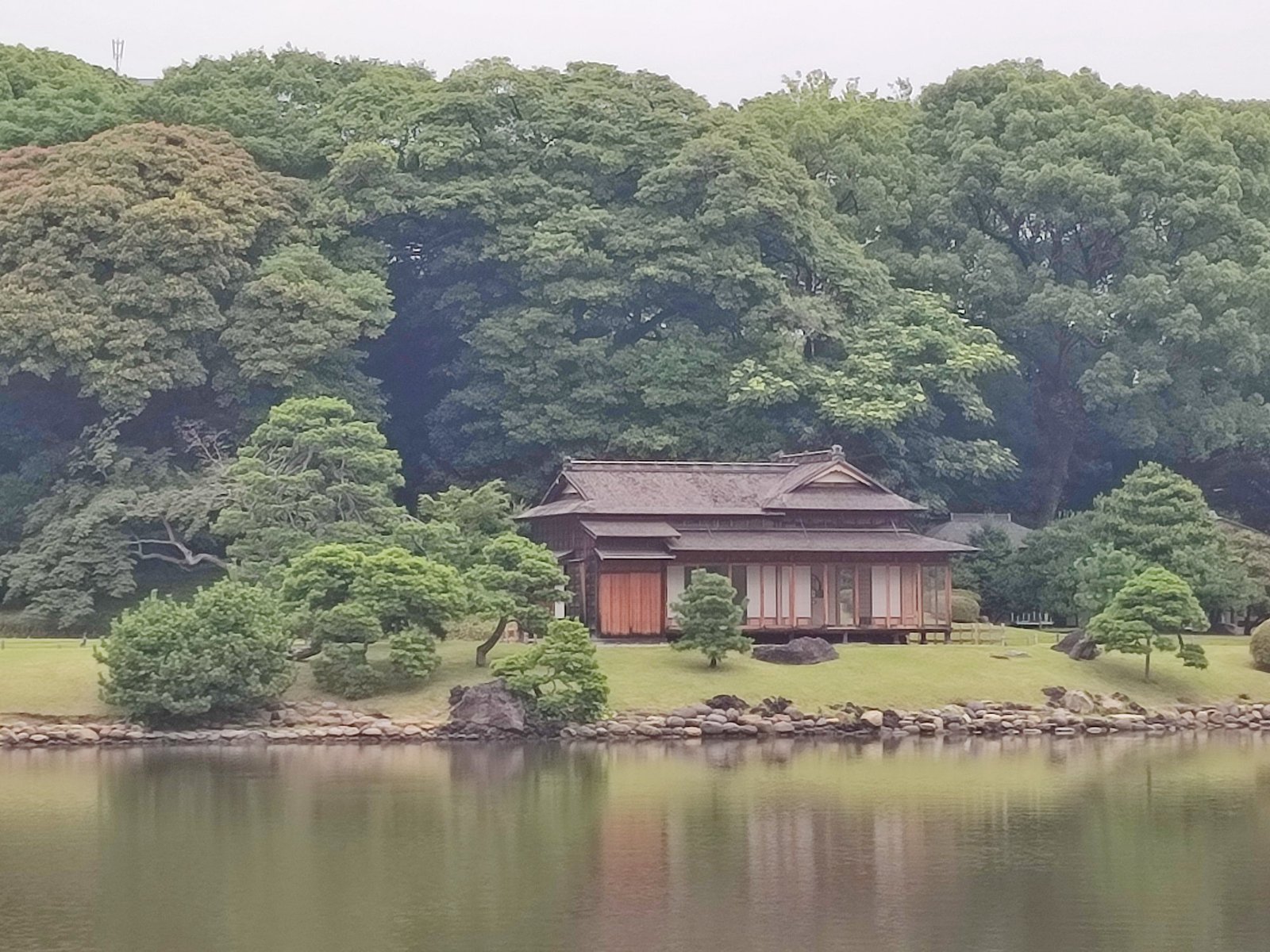
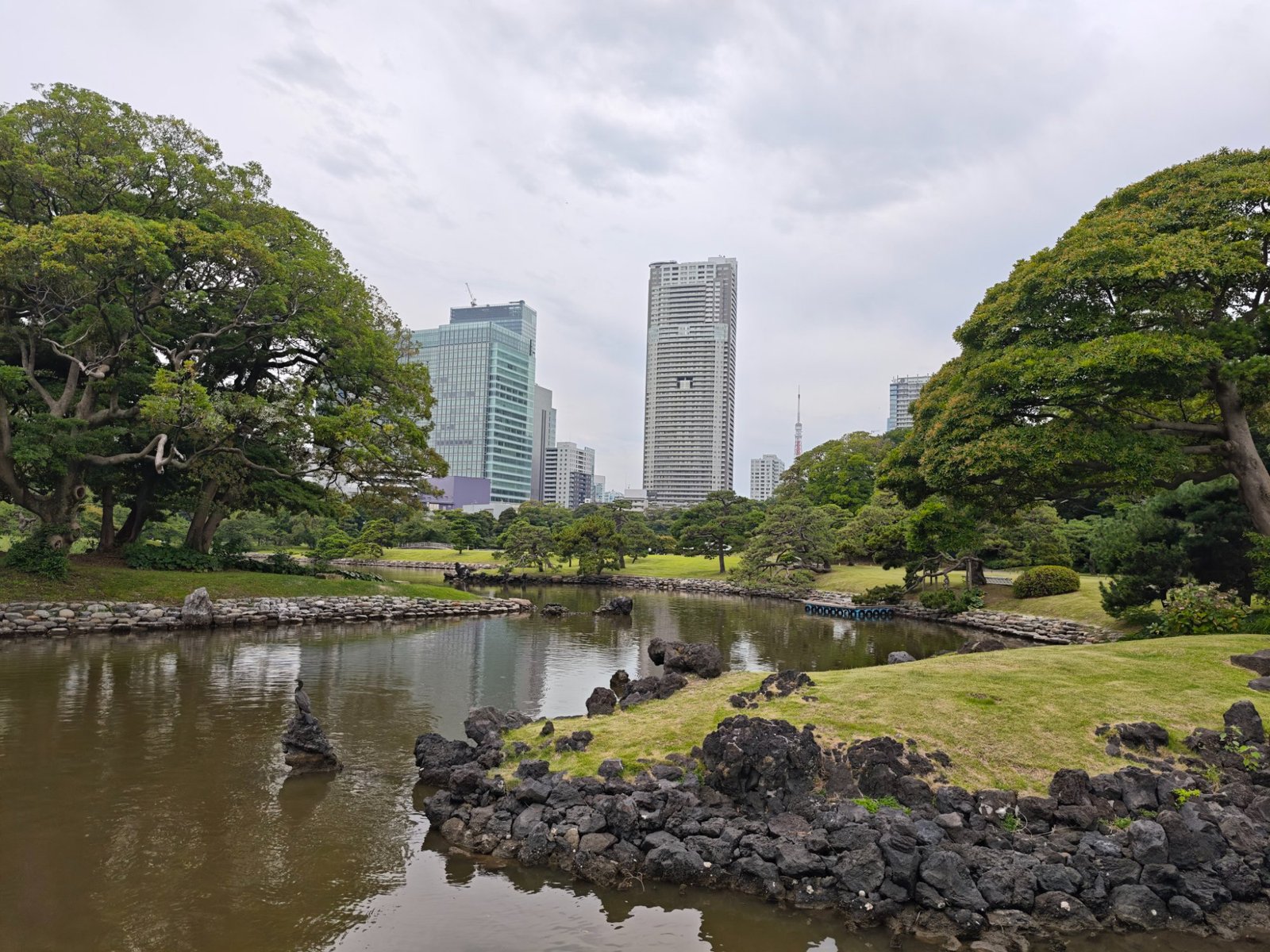
As we sailed on toward Tokyo Bay, the districts unfolded into infinity like Mandelbrot’s fractal images. Passing the Konami office building, I remembered the wild delight we took as children in the arcade games later ported to the personal computer. After some forty minutes on the river, which bites its way into the dense tissue of the city, we stopped at the last landing beside a magnificent garden set among vast and beautiful skyscrapers, a kind of enclosed park standing at the edge of Tokyo’s business quarter, the city of Minato, where the towering headquarters of the greatest Japanese corporations may not be photographed even from the outside. The garden was several centuries old, plainly well tended, and a particular peace reigned there. The noise and the weight of urbanism seemed to have dissolved, left behind beyond an invisible boundary of green, precisely clipped and cared-for trees. This oasis of calm was wrested from the sea around 1655, and the future shogun Ietsuna gave it to a high official of his, who instructed his gardeners from the city of Odawara to design it and then to tend it with care.

In the quietest and loveliest part of that ascetically ordered park stands a small wooden house that the visitor may admire only from without. No one may enter it. Locked and modest, it waits for guests who died centuries ago. Its central room, like the central room of every aristocratic teahouse in the land, is symbolically one of the most sacred, perhaps the purest, spaces in Japanese society. It measures four and a half tatami, a little more than seven square metres, and the door is so low that anyone wishing to enter must stoop and creep through on his knees. In that small consecrated space lay hidden the burning heart of the country. To enter, every merchant, every farmer, every nobleman, shogun or emperor had to stoop and bow. A samurai had to leave his sword outside, on the rack beside the entrance. Within, the earthly divisions of rank no longer existed; all were equal, all bowed as they entered, all of equal worth, all part of a precisely prescribed tea ceremony.
There were no weapons at the heart of the teahouse, no one possessed anything, the water in the kettle boiled, the powdered green tea stood ready, the wooden ladle waited, and time and again the guests of the teahouse witnessed a rite in which their movements had been fixed, for centuries, to the last centimetre.
The principles of the tea ceremony were set down by the master Sen no Rikyū, who divided them into four: harmony, respect, purity and tranquillity. Harmony comes first. The moment, the meeting, the light filtering through the paper window — none of it will ever again be part of the same image. Everything passes, and so the fleeting moment deserves the whole of one’s attention. Once gone, it never returns. Ichigo ichie — one meeting, one single chance. One must love every moment that will, at once and forever, be gone.
Ichigo ichie — one meeting, one single chance. One must love every moment that will, at once and forever, be gone.
When Prince Shotoku wrote into his constitution in the year 604 the most important thought in Japanese history — that harmony be prized above all else — it became, in the centuries that followed, a Japanese moral and social imperative. That sentence does not say that Japan is the land of the Japanese; it does not say that Japan is eternal and greater than the gods. No. The first sentence of Shotoku’s constitution, more than fourteen hundred years old, restates the firmest of values, one woven into the Japanese archetype: the value of harmony, which a person chooses for himself. The visitor to the teahouse stoops of his own accord, lays down the sword of his own accord, consents of his own accord to the rule that within the rite he is only a human being, equal to the rest.
And when I set out on foot from the safe refuge of the garden, its spreading trees and its neatly ordered flowers and plants, into the business district of tall, expensive, ultramodern skyscrapers in Minato, I thought of the countless employees who, like ants, perpetuated the first article of Shotoku’s constitution day after day. How they leave their swords and their dignity behind out in the city’s distant suburbs; how they wish to erase their own personalities, because that, after all, is the first social norm. How they devote all their care to the moment, how they rise in the morning, how they count out day after day the very same steps that carry them to the first station of the city railway, how, day after day, in the repeating loop of their duties, they deliberately erase themselves, their needs, their ego, their libido — withdrawing, bowing, disarming themselves so that the social fabric may run and slip through the hands like the finest silk.
That the individual conceals his self and erases it is not something we should simply condemn. He has always sacrificed himself for social harmony. Japan’s vast modern cities and their unwritten but unshakeable order are the only reality of the millions who live here. They do not question it, do not doubt it, do not improvise. Everyday life here is a tea ceremony moment stretched into a day, a week, a month, years and decades. To sacrifice oneself for the common good, to erase oneself and one’s own needs, one’s own ego, is as natural here as drinking a glass of milk would be for us.
The social harmony of Japan and its sketchbooks
On the platform at Ueno station on the Yamanote line, which encircles central Tokyo and the immense Imperial Palace with its immaculately tended gardens, I watched her for a good five minutes. She was a railway employee; she wore white gloves on her hands and a dark uniform of the Japanese railways, and her pinned-up hair stood firmly on her head as though someone had cemented it there. At first I thought she had lost her mind entirely. She pointed a finger now at the signal, now at a train flashing past, then at the clock again. Although passengers were pouring out of the carriages, not one of them so much as noticed her. She moved her hands as a matter of routine; each time she perhaps spoke aloud the number of the train, perhaps the time at which it had rushed by, and she did it precisely and attentively.

The maddest and most bizarre thing of all, though, was that she bowed to the train itself as it left the station. Nothing disturbed her rhythm, her bows, her devotion to the work. She was there, in the moment around which her entire professional life was arranged. She carried it out thoroughly and respectfully, as if it depended on her gesture whether the train would derail or arrive safely at the next station in Akihabara. Then, when an empty train swept past her, she bowed to it just as respectfully. This was her harmonic contribution, a small stone in the mosaic of a flawlessly functioning city, prefecture and country. It was not ordinary work, not routine. It was a rite — a clear, dedicated, thorough rite. A rite practised, as though in some tiny teahouse, by millions of people.
That is why the hotel staff prepare a perfect breakfast, why they make sure the food is always exactly warm and fresh, why public toilets are cleaner than many a dining table back home, why everyone who is part of the professional rite is so productive and so precise. In every restaurant the dish is flawlessly good, superbly prepared and so delicious that it is hard to describe in ordinary words. Every movement, every gesture of every single person who makes or does something in this land is like the hand of a deliberate magician. Workmen dig holes in the street respectfully and differently, airport staff shift suitcases gently onto the belts and even wipe them with a cloth if need be, motorway attendants hand back your change with care and precision, signalling with a hand that they are there, bowing to you as you leave; shopkeepers would do anything to help you, not necessarily to sell you anything; everyone bows to you; and everywhere, in apartments and rooms, out of concern for people, hang instructions on how to switch on, switch off, master this or that household appliance.
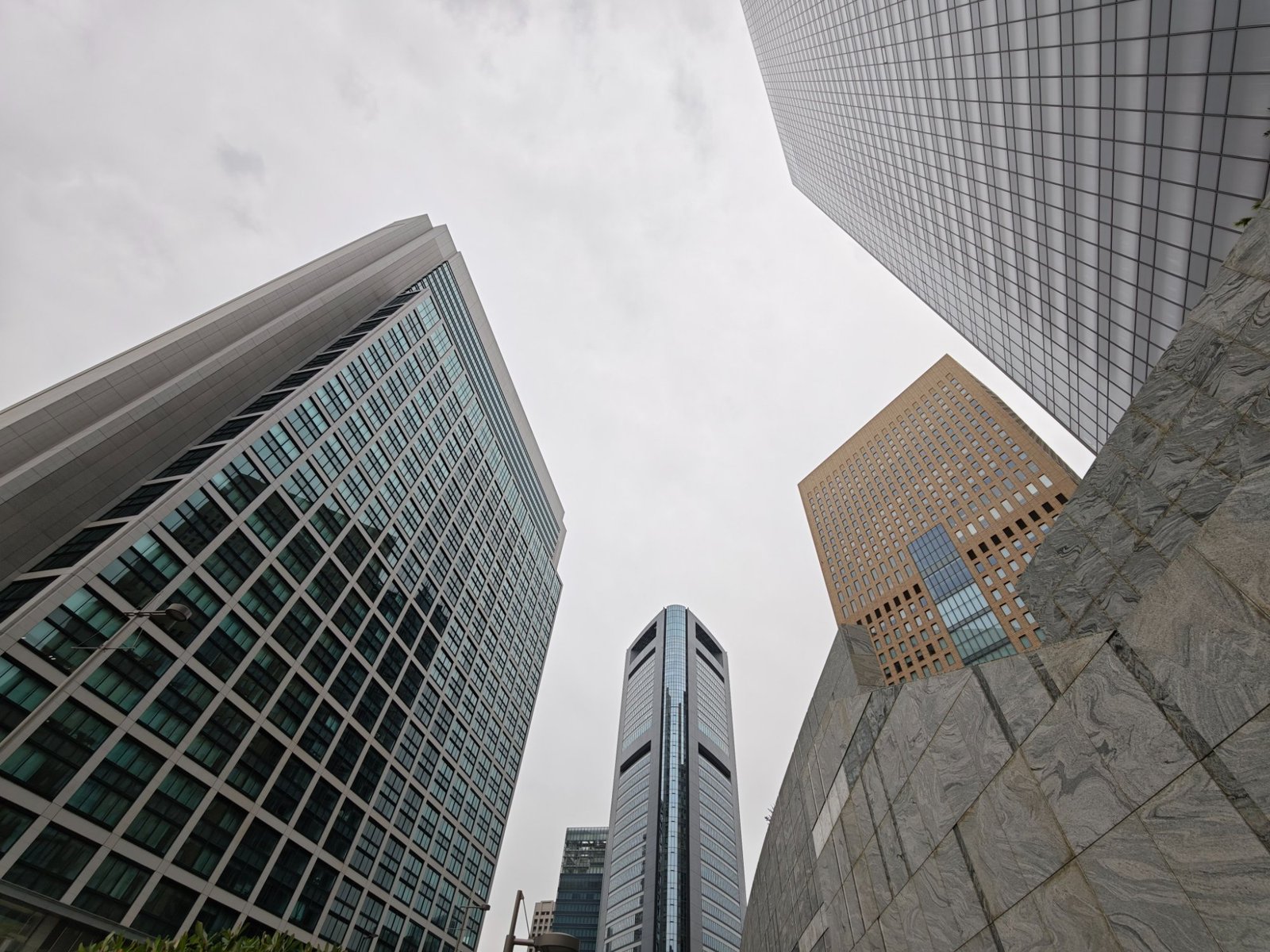
Everyone who makes or produces something occupies their post so that the harmonious social fabric may flow like oiled, satin silk. All this care, this absolute order, these rules and this love of the customer intoxicate and caress the person (the buyer, the client) who becomes part of the magic. It seems to him that in this fairy-tale land everything exists for him alone, that he may indulge himself and revel in a flawless civilisation without equal anywhere in the wide world.
And because the Japanese moral and professional code demands that a person first deny himself, then his needs, his individuality, his very self, he suddenly has no time left for his most elementary biological and emotional needs. This zeal for work and harmonious fatalism kills and cuts away the libido of young men and women. The statistics here are chilling. Within a hundred years the Japanese will have practically halved in number; if the trend continues, they will vanish altogether. I have read the horrifying figures. The young are overworked, exhausted, torn away from their parents and relatives; they do not want to meet one another, they do not pair off, they have no children. As though the circumstances in which they live from day to day had castrated them anew. Their own zeal for work, their flawless vassal-like subordination, the social vortex to which they belong unconditionally — all of it stifles them and frustrates them biologically. They flee into the virtual worlds of social networks, or they withdraw into solitude.
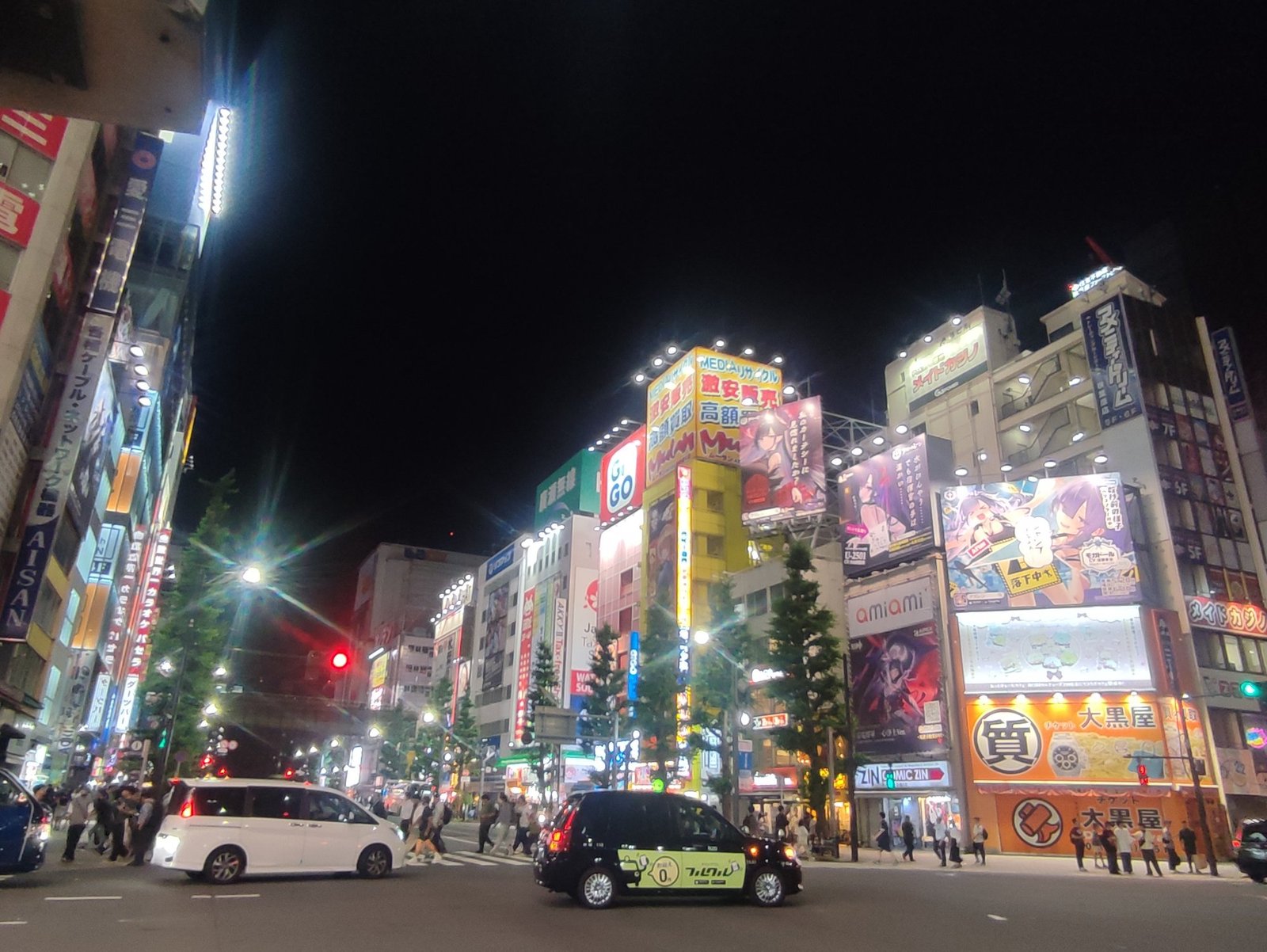
Walking through the side streets of Akihabara, also known as Electric Town, I passed themed cafés that cater to the human need for touch, closeness, social interaction. Inside, I watched young people paying for quick, instant company. For a fee, the patrons there may hire a woman or a man to stroke their hair for thirty minutes — embraces cost extra — or pay for someone to talk with them for an hour, to nod along and understand them; more expensive still is the service in which you weep in the employee’s lap and the employee weeps along with you. Bizarre offers shout from the shop windows, various combo deals and morning discounts. These bizarre cafés are always full.
The Japanese system of social harmony knows a single great taboo, one that forbids burdening another person, or society, with one’s ego and one’s troubles: the privacy and autonomy of the other are inviolable. In a rigid society of harmony, which must stand above all else, one does not ask for love, one does not court, one does not seek out friendships. To burden another, one’s family, society, is shameful. And so embraces, touches, tears and feelings — and the hiring of a person to stroll through the city with their client — are commodities to be paid for, and they belong inside the tea house. The moment you step out of the café, wept out and well consoled, the unwritten social dynamic, your position at work and social reality wait for you mercilessly, ready for you to take up your firm and appointed place in the mosaic of that moving fabric. And there is neither room nor time there for the other, still less for one’s own ego.
In a rigid society of harmony, which must stand above all else, one does not ask for love, one does not court, one does not seek out friendships. To burden another, one’s family, society, is shameful.
Countless internet cafés have blossomed across the city, where one can rent a cubicle just large enough to turn around in. Inside there is a small desk with a computer, a reclining chair, free drinks included in the price; for a surcharge the chair folds out into a makeshift bed, and there is also a miniature shower stall operated by tokens. A day in such a café costs 1,500 yen, roughly 7 to 8 EUR. In these cubicles across the Tokyo metropolis, tens of thousands of people — mostly young — spend the night, people who never managed to make a home of their own. They simply had no luck, or were not resourceful enough; perhaps they buckled under social pressure. They have nothing. Years ago they left their families, their fathers, mothers, sisters and brothers, promising them that they would find their place in the city and succeed. They appear in no statistic, for officially they have a roof over their heads.
And because Japanese patriarchal society is consistent and precise, city officials would be obliged to telephone the parents of these young people to ask whether they were prepared to help, to contribute their share to their own impoverished child, should that child happen to apply for social assistance from the city or the state. And because the unwritten rule holds that to burden others is shameful, not one of these forlorn tenants, eking out an existence in the city on five square metres, ever does so. And so a mother or a father somewhere in the Japanese countryside never learns that their child is struggling with poverty, homelessness, odd jobs and meagre pay. Harmony, order, the illusion of a secure position exact their price, while the social transfers of the Japanese treasury remain brimful of money that no one dares or wishes to claim, for the scalding truth would be too painful, too shameful, for the family to bear.
Over the long years of its dazzling progress, Japan has grown old. All that explosive building, when the city expanded at supersonic speed, is exacting its price today. Its traditional society was built upon the multigenerational family, binding together grandfathers, fathers, sons and grandsons. When narrow single-family urban flats began to be built after the war, the young moved out on their own, into new, small one-family two-room studios. Great numbers of people began to live alone; the decades ran on, they retired, then they grew old. Long ago they lost touch with their younger relatives. They no longer knew anyone; the young had simply forgotten them, no one remembered them any more. And so now they die alone, shut away in their suburban one-room burrows. No one knows how death comes for them. No one misses them, no one knows them; perhaps they grew too frail, perhaps they fell incurably ill, perhaps they had not exchanged a word with another human being in decades, perhaps they died of unbearable loneliness and sorrow.
In time a sickly sweet odour of death begins to seep from the flat; the stale corpse decomposes, no one has missed the person for years, he languished and took to his bed and died entirely alone. Because the neighbours do not know one another, no one troubles to force the door. Then they call the special companies that have sprung up across the city like mushrooms after rain. Men in protective white coveralls that shield them from biological contamination enter the flat, gather the decomposing body into special hermetically sealed coffins, carry out the furniture, bag up the memories, the objects, the photographs that testify that a dignified human being once lived here, disinfect the flat, sand the parquet, bow, light incense before the door, and return the flat to the relatives, who as a rule have no idea who this decomposing unfortunate ever was.
The tragedy is all the greater because it is a graver social offence for a train to be a few minutes late than for hundreds of sorrowful, anonymous undertakers, dressed in white protective clothing and masks, to be entering, at this very moment as I write these lines, countless solitary suburban flats and collecting unidentified, decomposing human bodies — people who died alone in the agony of the unwritten, morbid rules of a harmonious social fabric. The last courteous gesture a Japanese offers to others is to die alone, quietly, modestly, so as not to disturb anyone with his inner cry and his inconsolable grief.
The last courteous gesture a Japanese offers to others is to die alone, quietly, modestly, so as not to disturb anyone with his inner cry and his inconsolable grief.
A million young Japanese across the country are wrestling with invisible social rules, their families pressing them to succeed, to marry, to make their parents happy with grandchildren. A few times they were turned down at interviews when they tried to join the corporations and assume their public vassal role. And then these young men and women decided to withdraw, to take no further part in the game and the rituals of the tea house. They shut themselves into rooms, studio flats, apartments, and for years they do not step out of them. Some stay behind their four walls for long years, others for decades. Though their desperate parents beg them to stop, to come out, even leaving food and the barest necessities outside the door. They have excluded themselves socially and completely. They want nothing from anyone; they have simply unhitched themselves, they no longer wish to be part of the system. Politely, modestly, quietly. They rebel against no one, they simply refuse to take part any longer in the unwritten social race; they make no noise, they stage no protest. In the ancient Japanese manner they quietly cut themselves off from everything this civilisation has given the individual. And nothing knows how to stop the trend.
In lieu of a conclusion
Vesna, Jakob and I enjoyed the city enormously. It felt as though we were spinning on an endless carousel. We stepped into fantastic eating houses, sampled the exotic food of the north and the south, sushi, heavenly ramen and udon, and soba dishes. How insanely good and how cheap it all is. A bowl of delicious ramen or udon noodles costs no more than 6 EUR. In general, Japan is at the moment a shopper’s mecca. The yen is at a historic low, and Japanese goods can be more than half as cheap as in Europe. And then the shops refund the tax on the spot when you show your passport. And everywhere it is equally good, equally cheap.

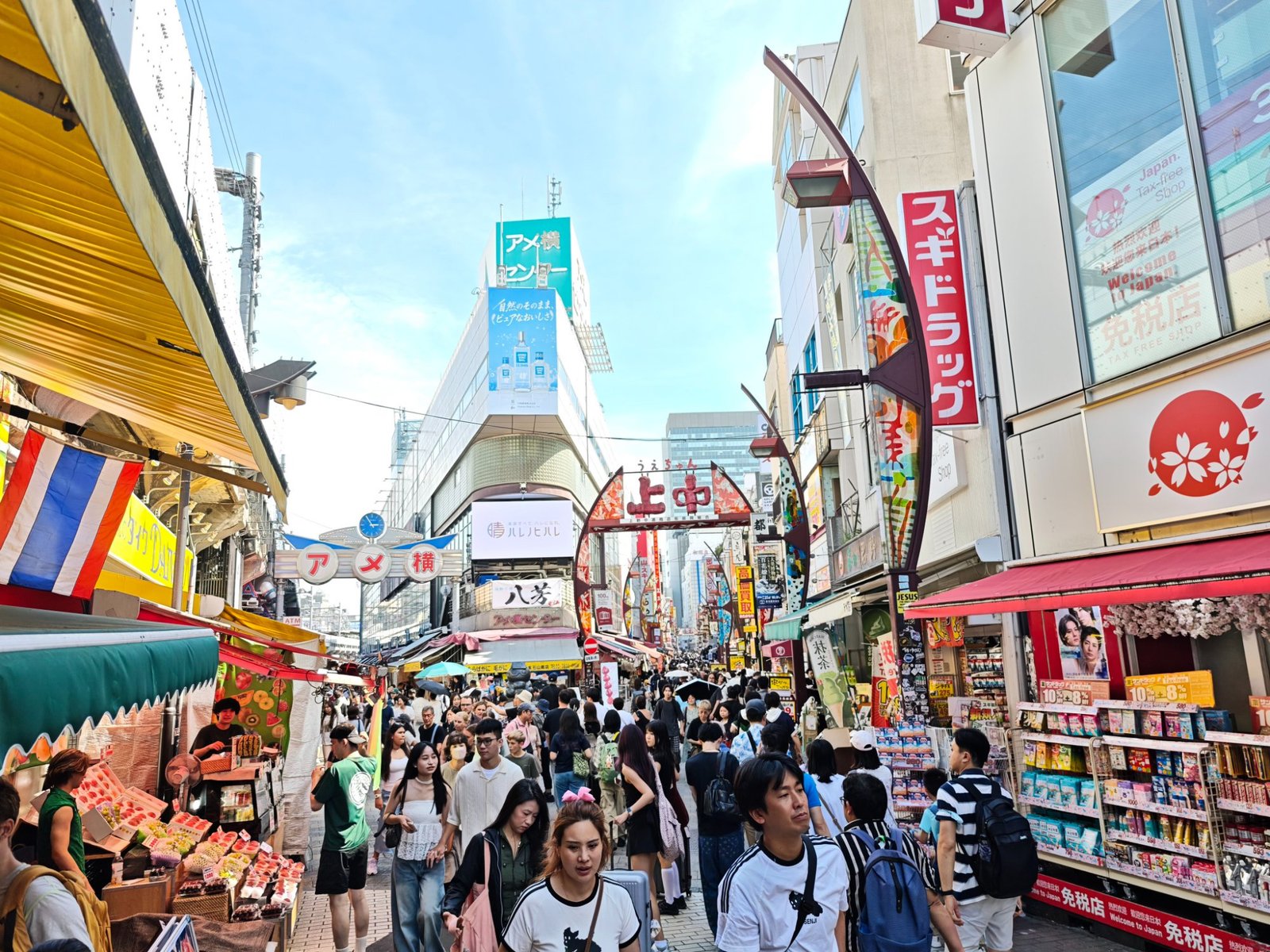
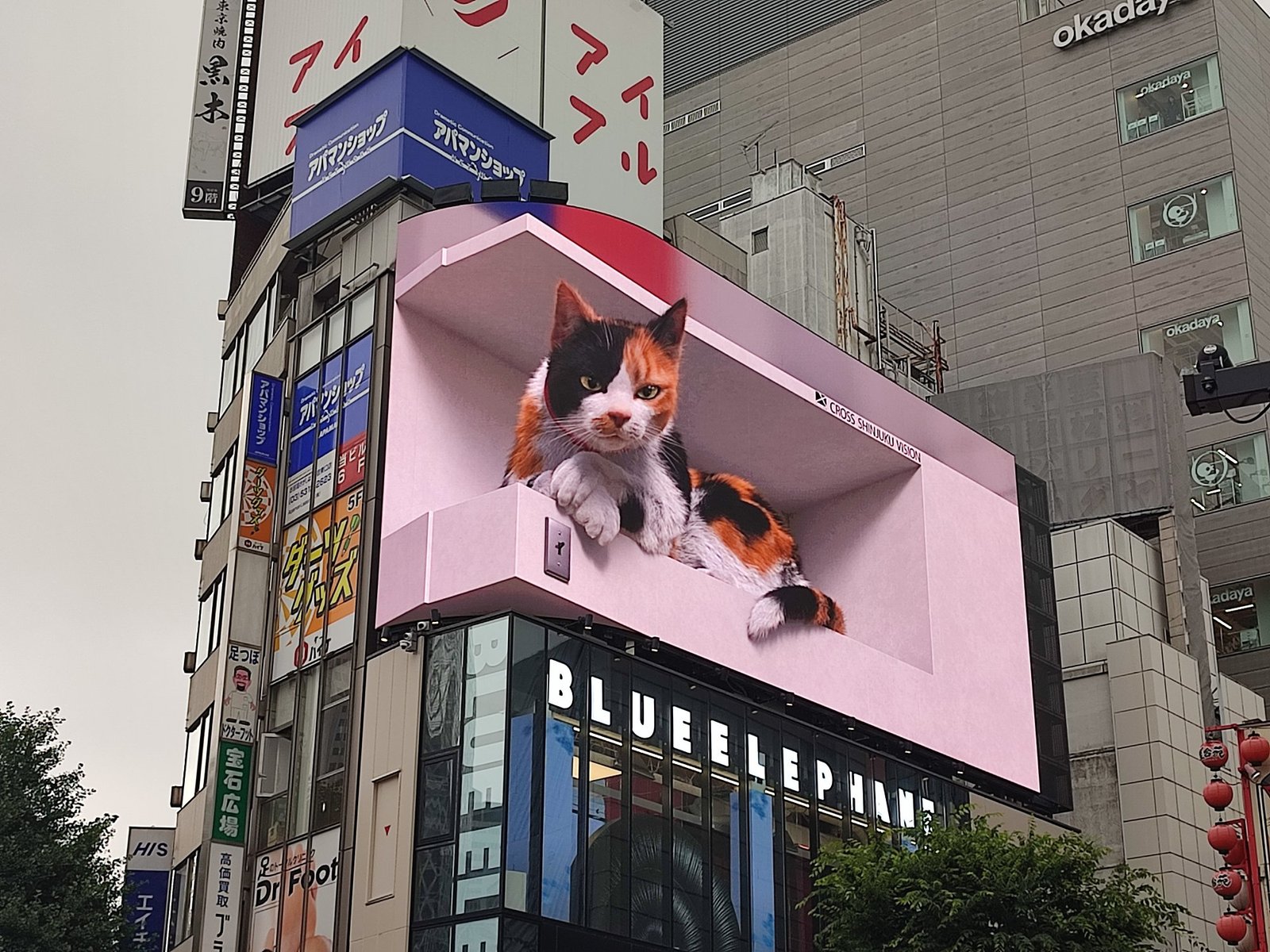
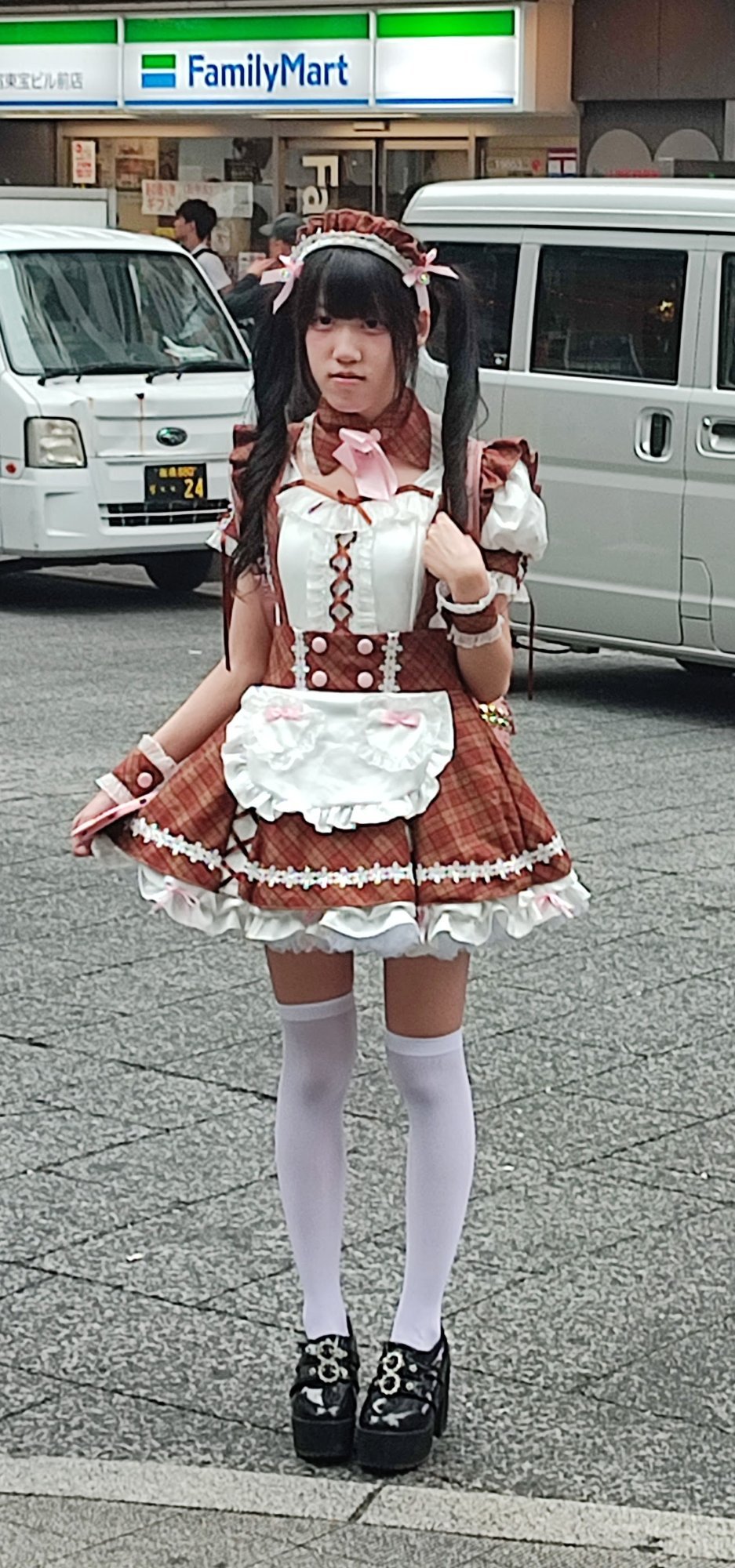
Prices in airport restaurants are exactly the same as in the food halls of shopping centres, in rural izakayas or in the city centres. And everything that touches the plate is fresh, flavourful, tender. I watched the cooks in secret, how they laboured over every dish with the same care they would give to something made for themselves at home. Everywhere is full of people; for some fashionable restaurants one can queue for more than an hour. It is indescribable how the cities are synchronised among themselves. Each part of the city seems to resemble a different shop window: in Akiba, young girls dressed up as erotic manga dolls beckon passers-by into bizarre bars and shops. A little further on are the cafés where waitresses costumed as nineteenth-century French maids pretend that you are their master and lord. And in the underground halls, corporate employees after work wave glowing sticks in unison for their dancing teenage idols; in Ginza everything turns designer: even the people seem to walk a little more solemnly and a little straighter.

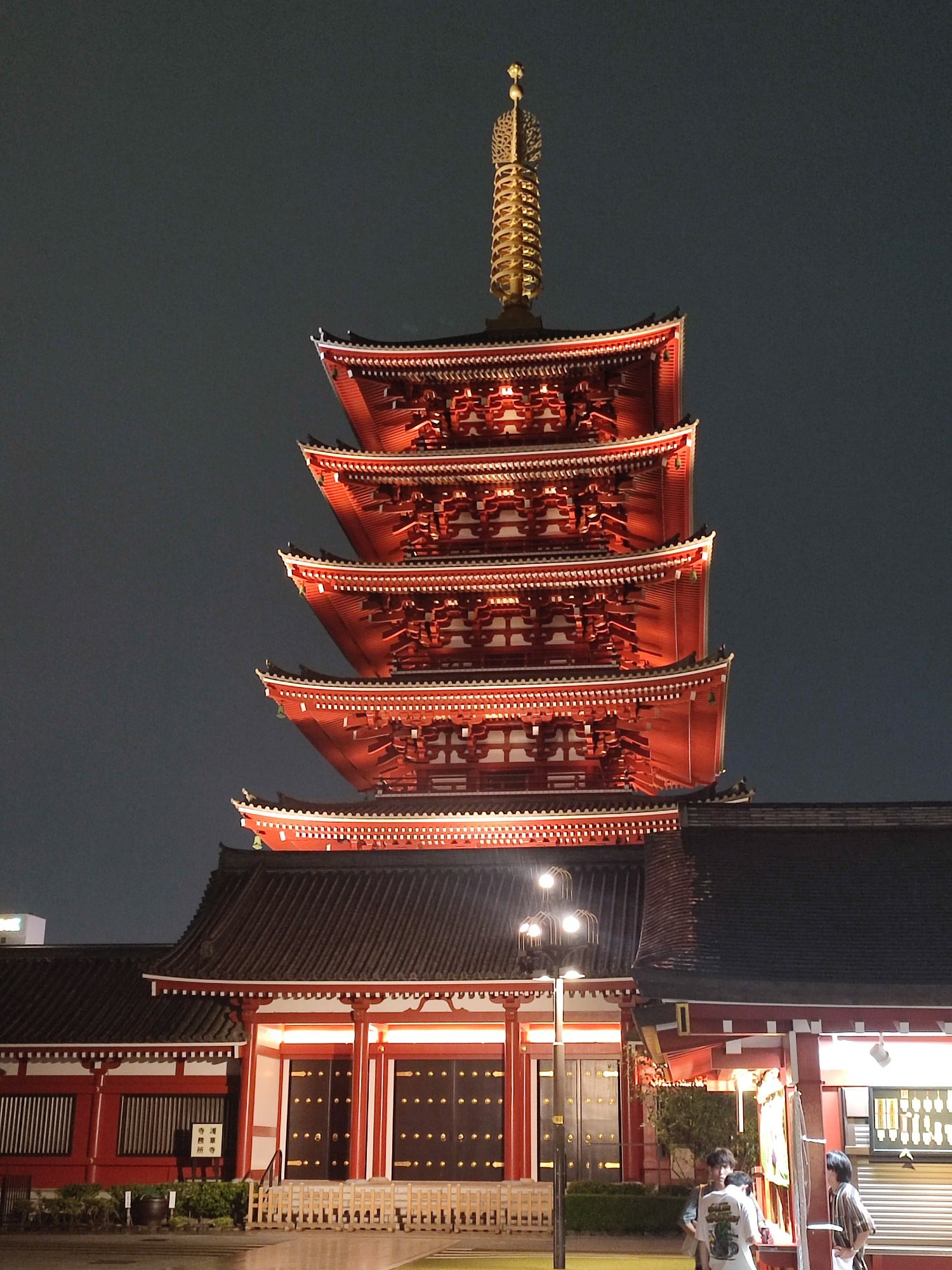
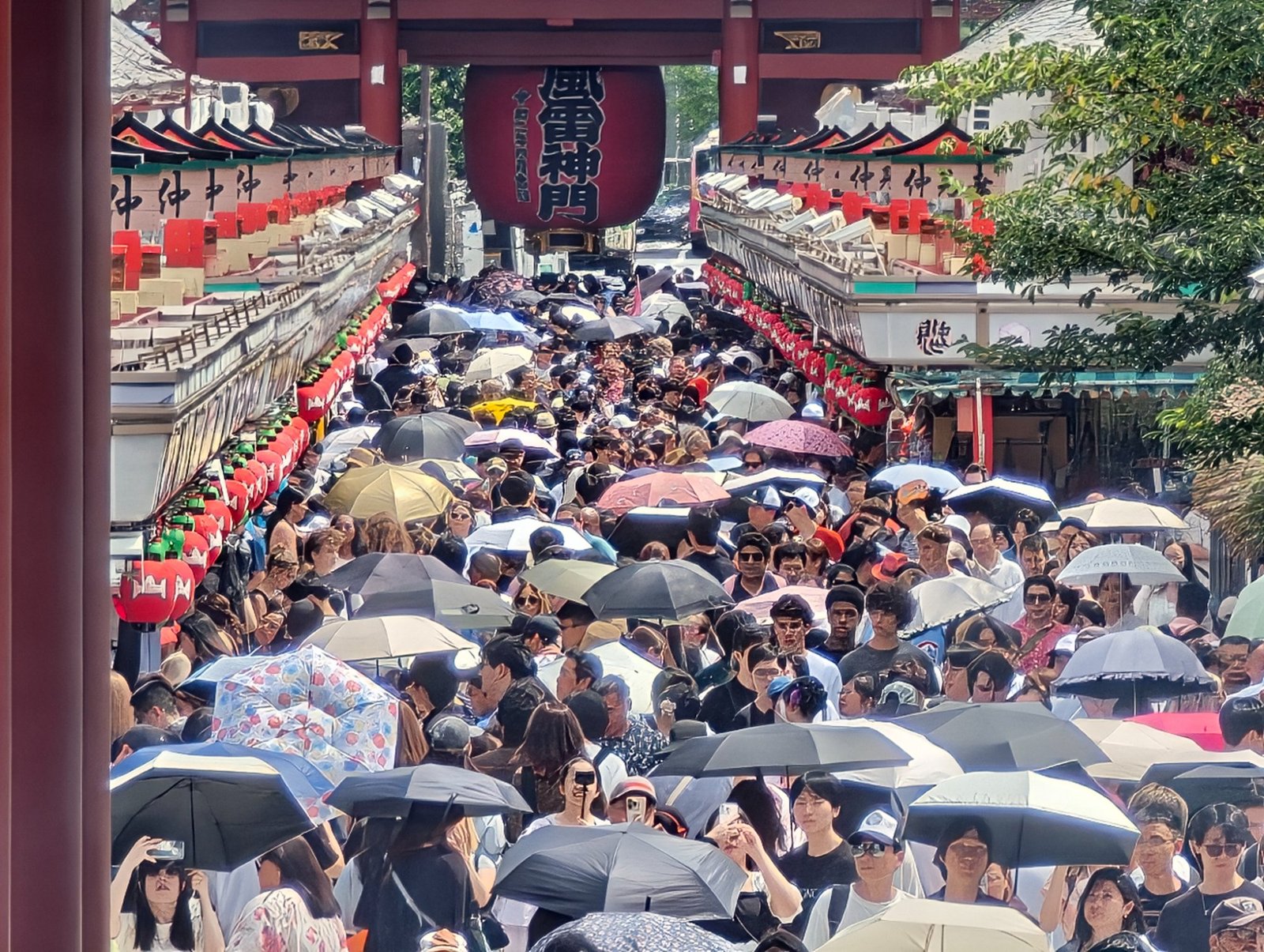
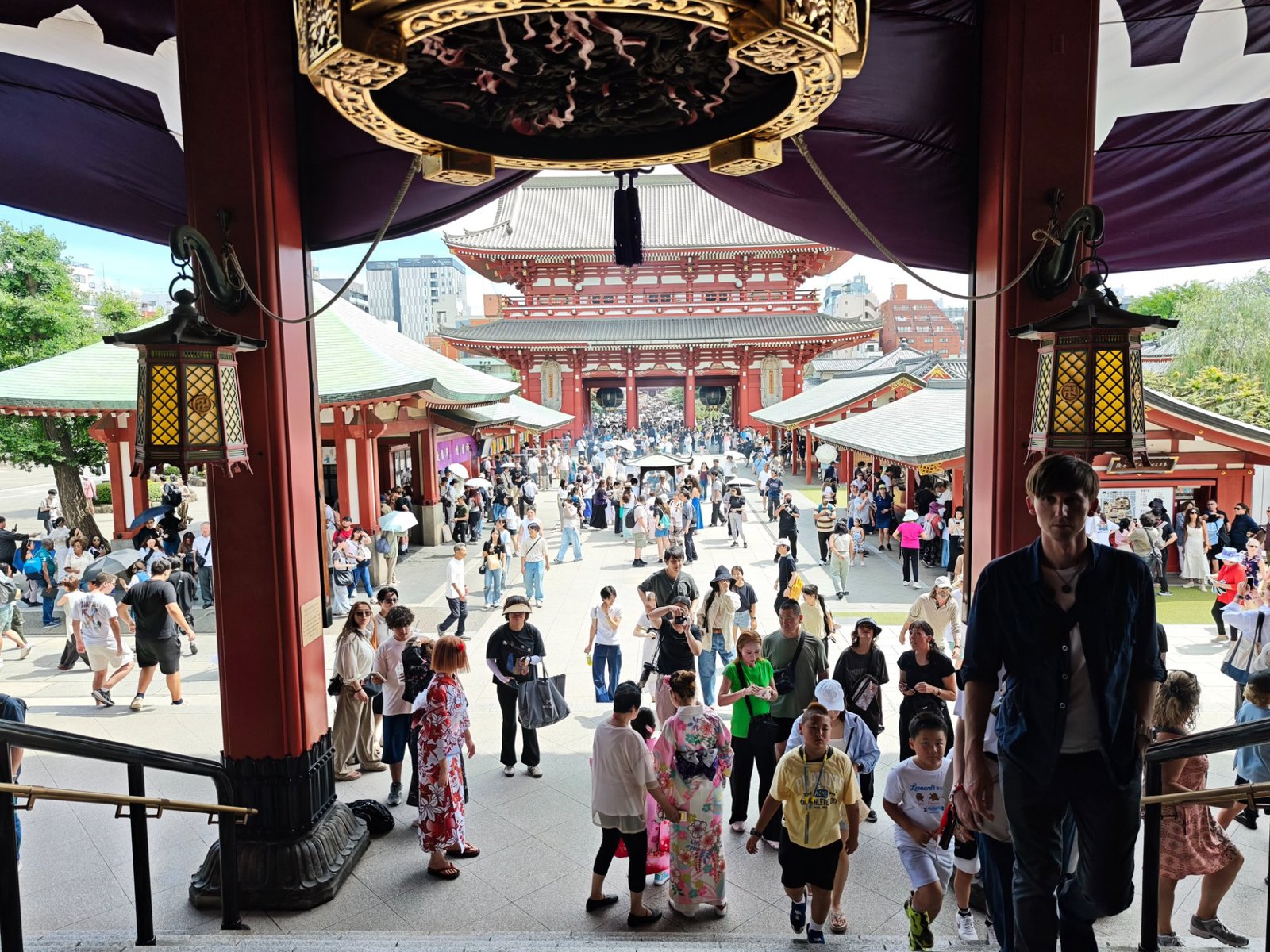
Countless Western luxury brands beckon from expensive and exclusive skyscrapers and buildings; in Asakusa the tourists from all over the world crowd together, lingering around Sensoji Temple or the television observation tower, for which one must book and announce one’s arrival weeks in advance. Everything rolls and teems; alleyways open up where an endless multitude of people delight in tasty, inexpensive food. In the evening hours a veritable masquerade of deranged young things descends upon Harajuku. Some of the girls are dressed and powdered like eerie porcelain dolls out of Victorian England, others pin plush toys to their clothes. In the bars there you can stroke capybaras and guinea pigs.
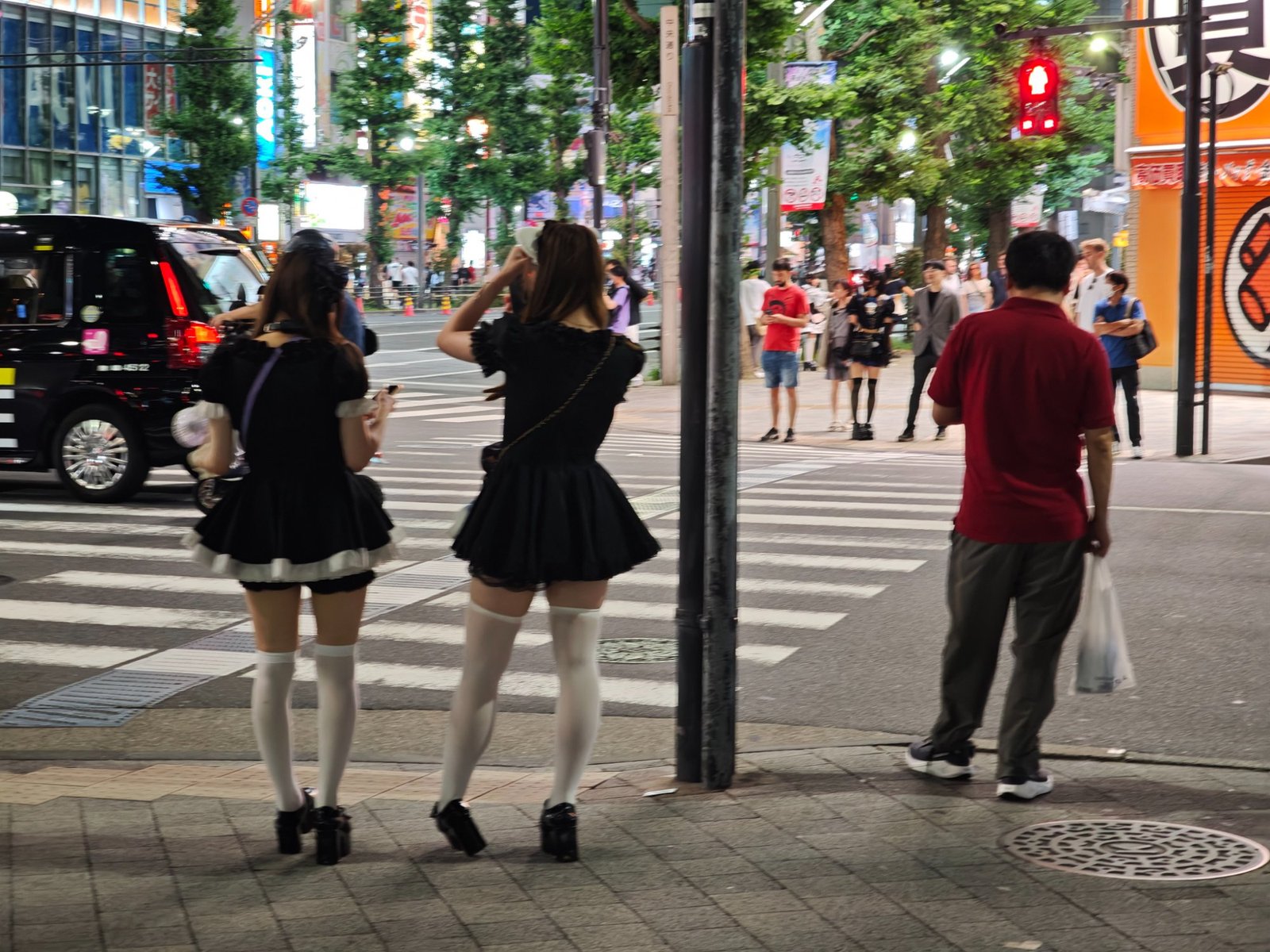
Then station after station, and soon you are flooded by the light of the neon jungle in Shinjuku. That is the city’s red-light district, watched over by Godzilla’s head, which belches fire and smoke every hour. In the narrow lanes beside it there are more than two hundred miniature bars with room for three people at most. In Shibuya, where the famous four-way pedestrian crossing appears on every postcard and in every reference to Tokyo, I walked past the notorious hill lined with discreet love hotels for couples — there a room is charged by the hour. And the whole system is calibrated to serve the deranged and diseased human sexual imagination. Couples can rent a room that looks like an operating theatre or a prison, or a pink cat castle, even the command deck of a spaceship…
Tokyo is a perfect organism of every extreme, one that dazzles a person with such intensity that words cannot describe it.

In Ikebukuro, in special cafés, waiters dressed as butlers of the English aristocracy await you and treat their female guests as European noblewomen. It is hard to imagine a more bizarre sight than Asians pretending to be European aristocracy. Tokyo is a perfect organism of every extreme, one that dazzles a person with such intensity that words cannot describe it. Weary from endlessly long wanderings through the city, in Iriya, an old and quiet working-class quarter, we came upon a rickety, half-collapsed udon restaurant. An old, stooped man received us and directed us to one of the four tables. From behind the counter an even older woman came shuffling out, her features still fine and her eyes still bright, though wrinkles had furrowed her face in even lines. Both of them bowed to us obligingly.

The restaurant, more a little parlour really, was modest. The kind woman brought water and the obligatory place setting from the kitchen area with heavy, slow steps. Then she shuffled back to the kitchen and set about our order. I could hear her stirring, frying, pots bubbling, and the room filled with the heady scent of spices unknown to me. Then she and her husband, shuffling, with slow movements, carried the dishes to the table. How delicious the udon noodles were, with soft, faintly smoked, grilled pork, and the soup and the side dishes. We devoured the food, smacking our lips. Then I noticed the old woman watching us secretly from the kitchen, watching us eat. Her eyes looked like glowing millstones; she was smiling with delight that we liked the food. And long after the meal that little room still smelled like a warm bread oven on a bleak, cold winter’s evening.
Primož, Vesna, Jakob


A note when a new essay or travelogue appears. No noise, unsubscribe in one click.